News Todays 1
The latest news of the day
recent posts
- US Justice Department Releases Redacted Epstein Files, Sparking Criticism from Lawmakers
- Jeffrey Epstein Case: Latest Updates, Unsealed Files, and Where the Investigation Stands Now
- Who Was Jeffrey Epstein? Full Story of the Epstein Case and Files
- “The Universe Runs on Entropy — Here’s How”
- ⭐ How the Human Heart Works: Structure, Function & Complete Circulation Explained
Tag: universe
-

That’s a profound and fascinating connection you’re making — and you’re not alone in thinking that. Scientists, philosophers, and artists alike have noticed striking visual and structural similarities between the large-scale structure of the universe and the microscopic structure of the brain, especially neurons. 🧠✨🌌 Brain vs. Cosmos: Surprising Similarities 1. Visual Similarity 🔭 Images…
-
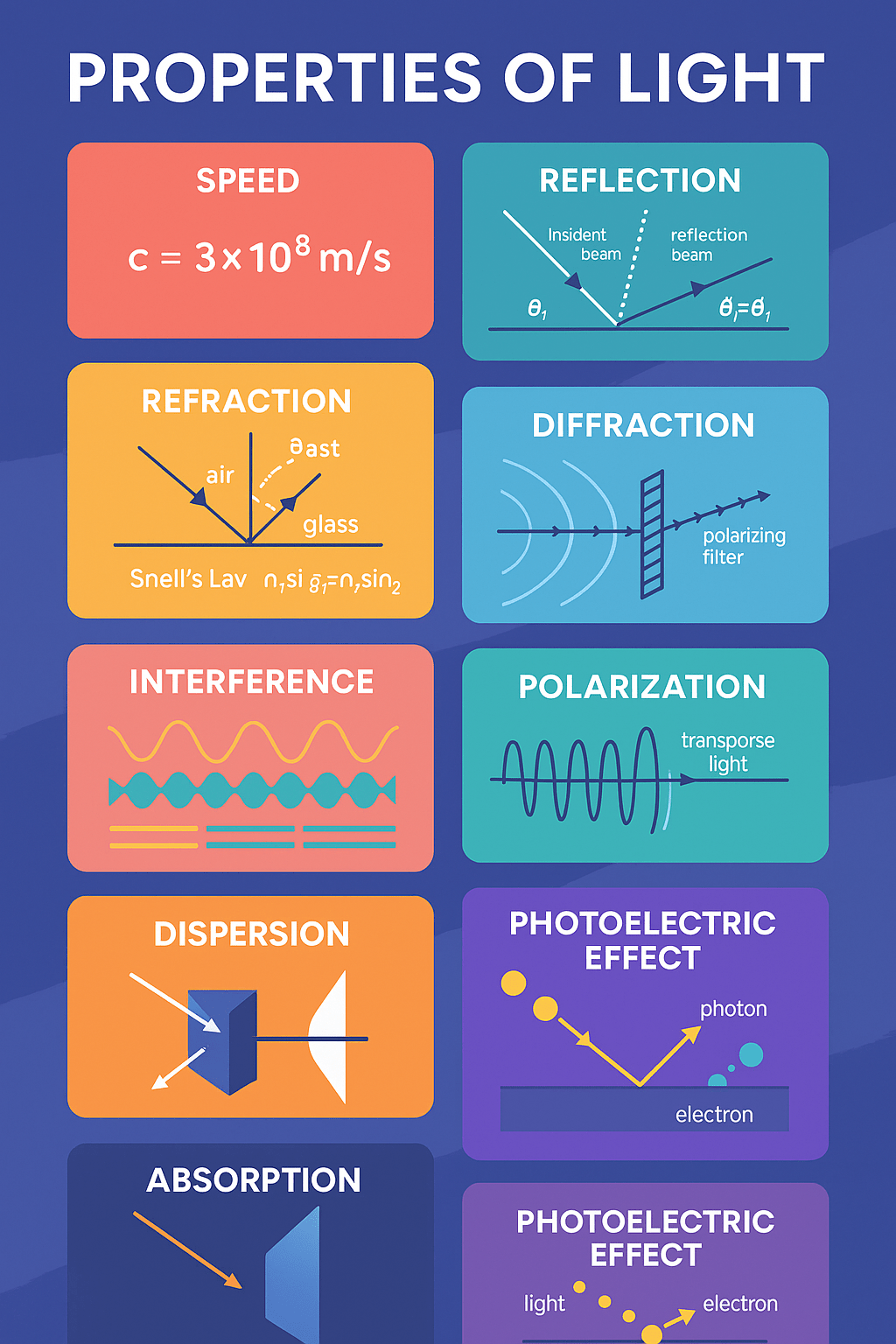
Most wonderful Properties of Light 🌈 1. Properties of Light Light is a form of energy that travels as an electromagnetic wave but also behaves like particles (photons). Here are its key properties: ✔ Speed ✔ Reflection ✔ Refraction ✔ Diffraction ✔ Interference ✔ Polarization ✔ Dispersion ✔ Absorption & Transmission ✔ Photoelectric Effect 🔄…
-
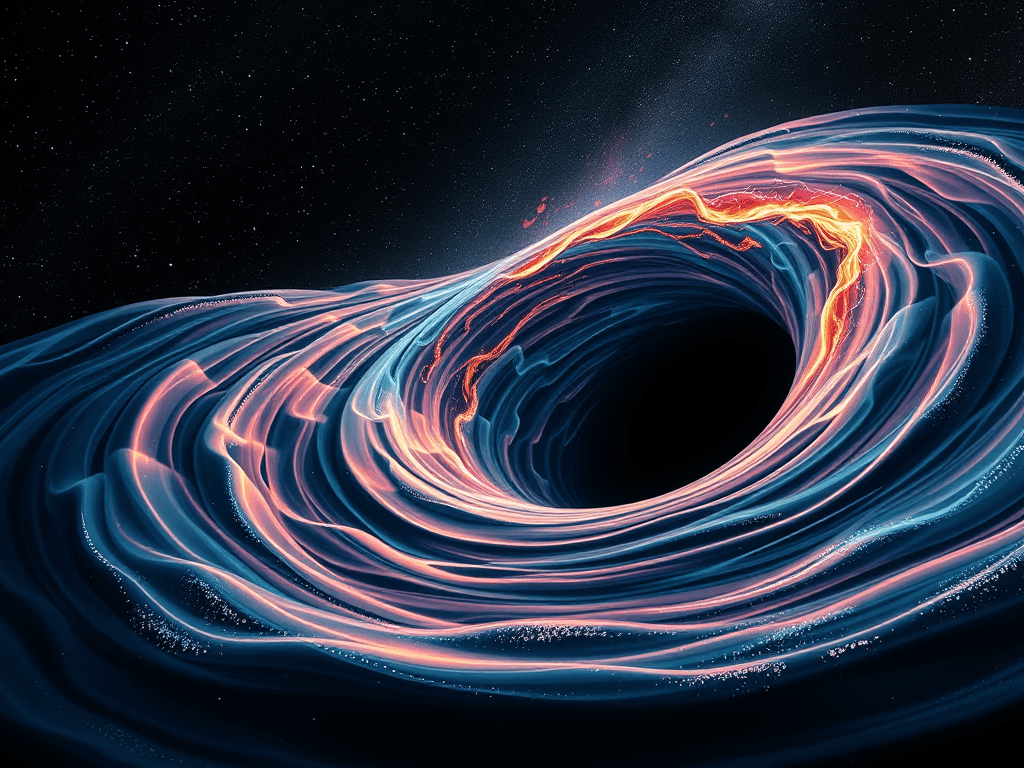
Introduction Gravitational waves are ripples in the fabric of spacetime, predicted by Einstein’s General Theory of Relativity (1915) and first directly detected in 2015 by LIGO (Laser Interferometer Gravitational-Wave Observatory). These waves are generated by the most violent cosmic events—merging black holes, neutron stars, and supernovae—and provide a new way to observe the universe. 1.…
-
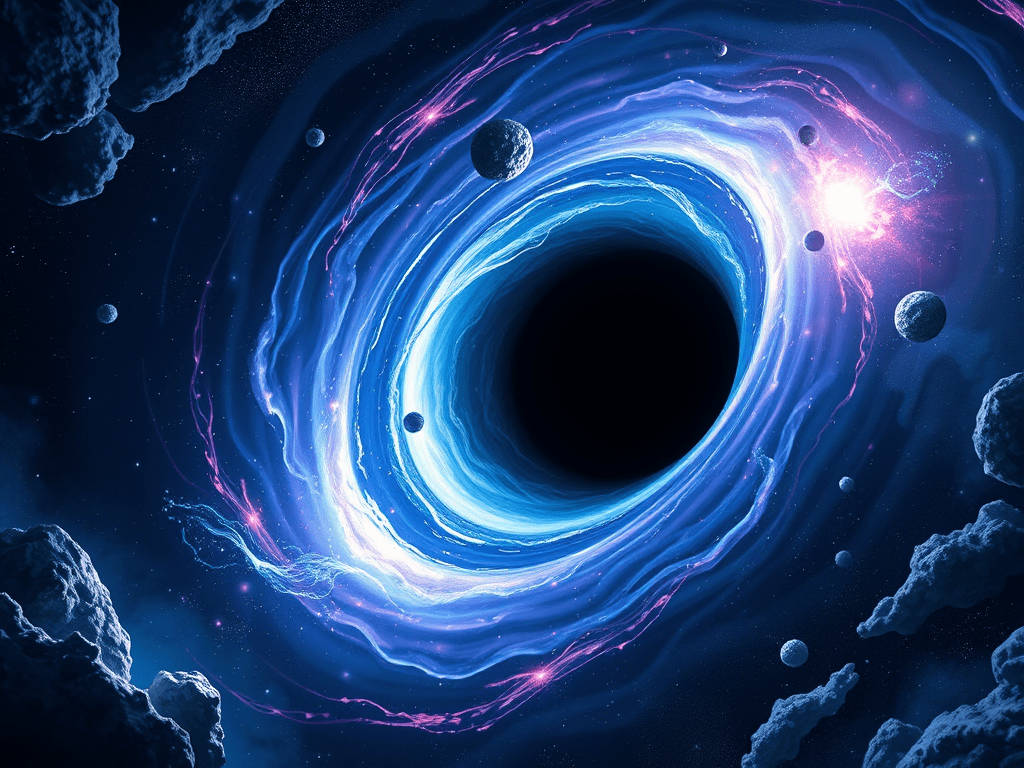
Introduction Black holes—cosmic monsters where gravity crushes matter into oblivion—challenge our understanding of physics. At their edges (event horizons) and cores (singularities), Einstein’s general relativity (governing gravity) collides with quantum mechanics (ruling the subatomic). This conflict hints at a deeper theory: quantum gravity. Here’s how black holes probe the quantum universe: 1. The Black Hole…
-
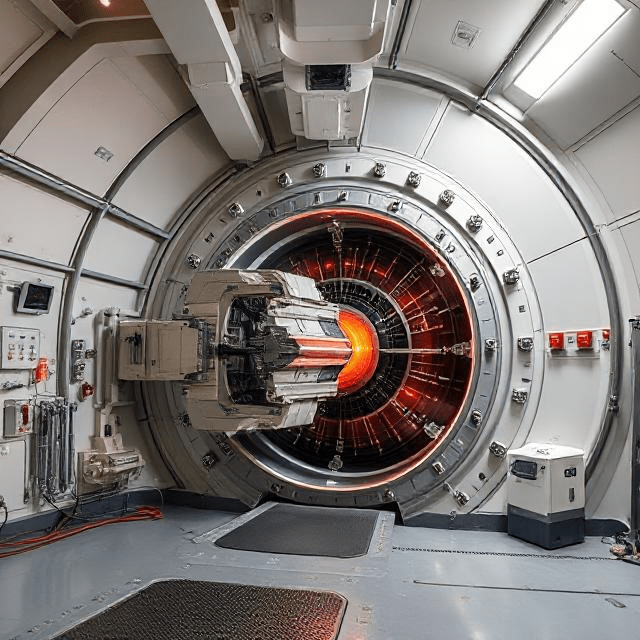
Particle accelerators are the ultimate tools for exploring the fundamental building blocks of the universe. The largest ones push particles to near-light speeds, creating extreme conditions that replicate the early universe. Here’s a look at the biggest and most powerful particle accelerators in the world. 1. Large Hadron Collider (LHC) – CERN, Switzerland/France 🔹 Circumference:…
-

Introduction Particle accelerators are among humanity’s most powerful scientific tools, enabling breakthroughs in physics, medicine, and materials science. By propelling charged particles to near-light speeds, these machines unlock secrets of the universe—from the Higgs boson to new cancer treatments. This blog explores how particle accelerators work, their types, key applications, and future advancements. How Do…
 News Todays 1