News Todays 1
The latest news of the day
recent posts
- US Justice Department Releases Redacted Epstein Files, Sparking Criticism from Lawmakers
- Jeffrey Epstein Case: Latest Updates, Unsealed Files, and Where the Investigation Stands Now
- Who Was Jeffrey Epstein? Full Story of the Epstein Case and Files
- “The Universe Runs on Entropy — Here’s How”
- ⭐ How the Human Heart Works: Structure, Function & Complete Circulation Explained
Tag: today news
-

1. The Rise of AI and Algorithmic Trading Artificial Intelligence (AI) is revolutionizing trading by enabling faster, data-driven decisions. Hedge funds and retail traders alike are using AI-powered tools to analyze market trends, predict price movements, and execute trades at lightning speed. AI is no longer just for Wall Street—retail traders are leveraging these tools…
-

Newton’s law of universal gravitation (1687) was one of the most profound scientific breakthroughs in history, accurately describing: But in light of Einstein’s general relativity (1915), we now understand Newton’s law has fundamental limitations: Where Newton’s Law Fails The Mathematical Difference Newton (1687) Einstein (1915) F = G(m₁m₂)/r² Gᵤᵥ = 8πTᵤᵥ (field equations) Instantaneous action…
-
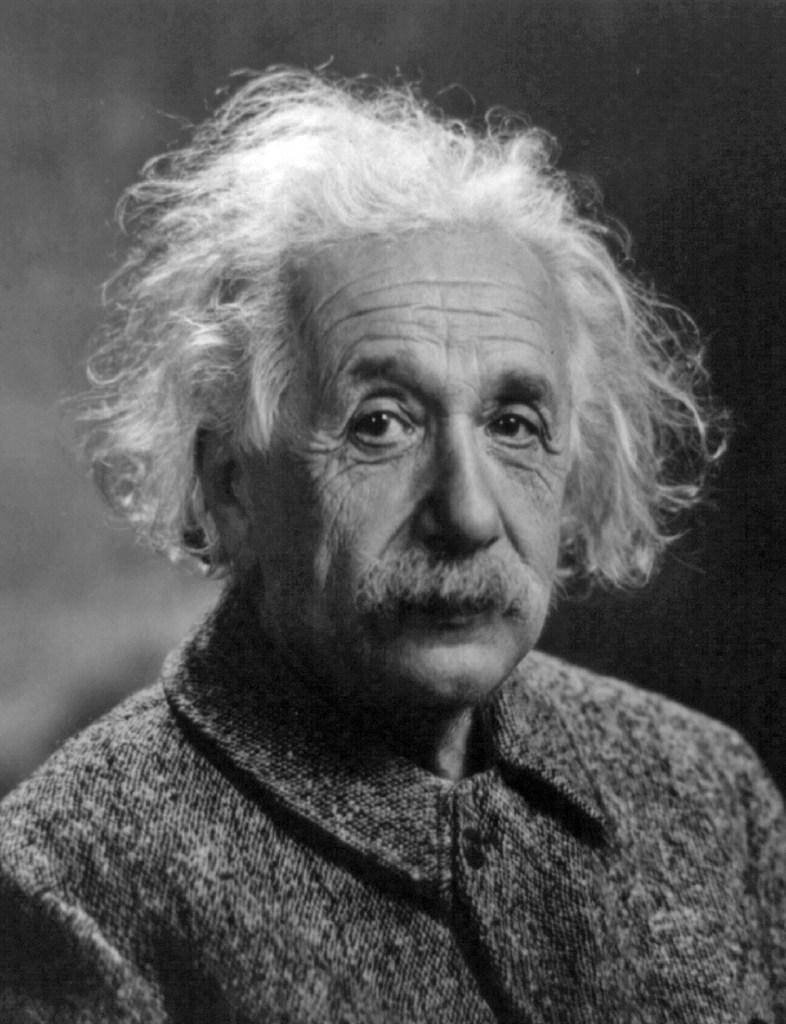
The Core Idea: Gravity = Curved Spacetime Einstein’s revolutionary insight (1915) was that gravity isn’t a force like Newton thought – it’s the curvature of spacetime itself caused by mass and energy. The Two Key Principles: The Einstein Field Equations (Simplified) The full mathematical form looks complex:Gμν = 8πG/c4 Tμν But here’s what it means…
-

Introduction String theory is one of the most ambitious—and controversial—attempts to unify quantum mechanics and general relativity into a single “Theory of Everything.” Yet, after 50+ years of research, it remains a beautiful mystery, full of untested predictions and mathematical elegance. Here’s why string theory is still physics’ greatest unsolved puzzle: 1. The Core Idea:…
-
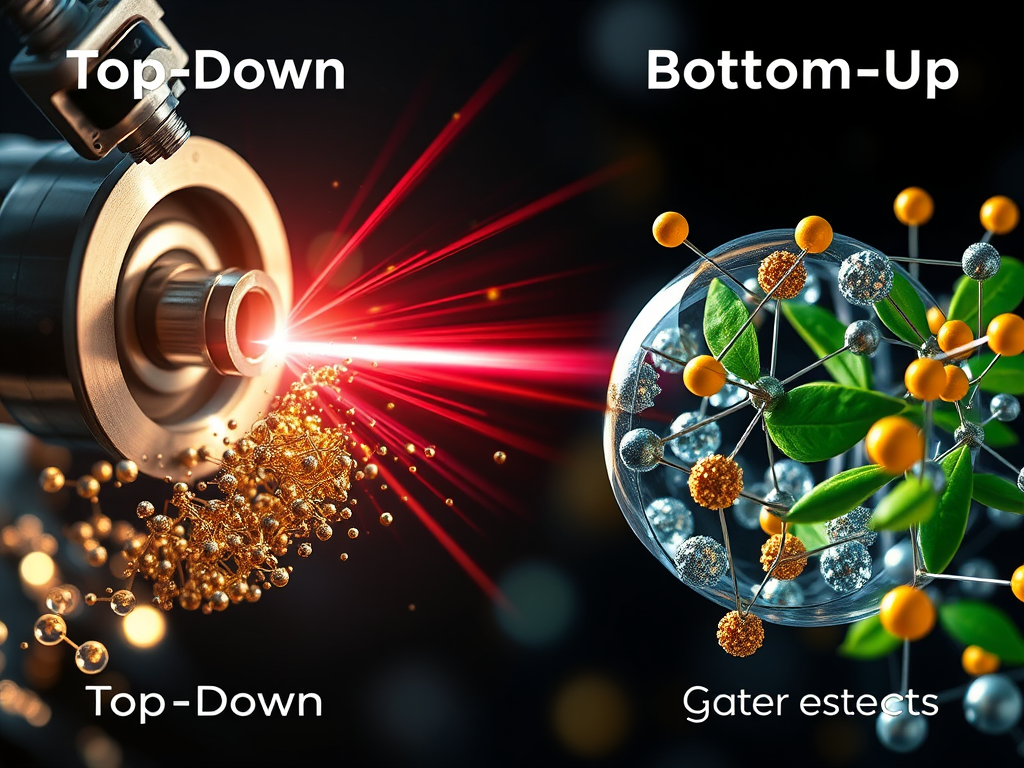
Nanoparticles (1–100 nm) are synthesized using physical, chemical, or biological methods, each offering unique control over size, shape, and functionality. Below is a detailed breakdown of key synthesis techniques with references to peer-reviewed studies. 1. Top-Down Synthesis (Breaking Bulk into Nano) Process: Large materials are physically fragmented into nanoparticles. A. Mechanical Milling B. Laser Ablation…
-
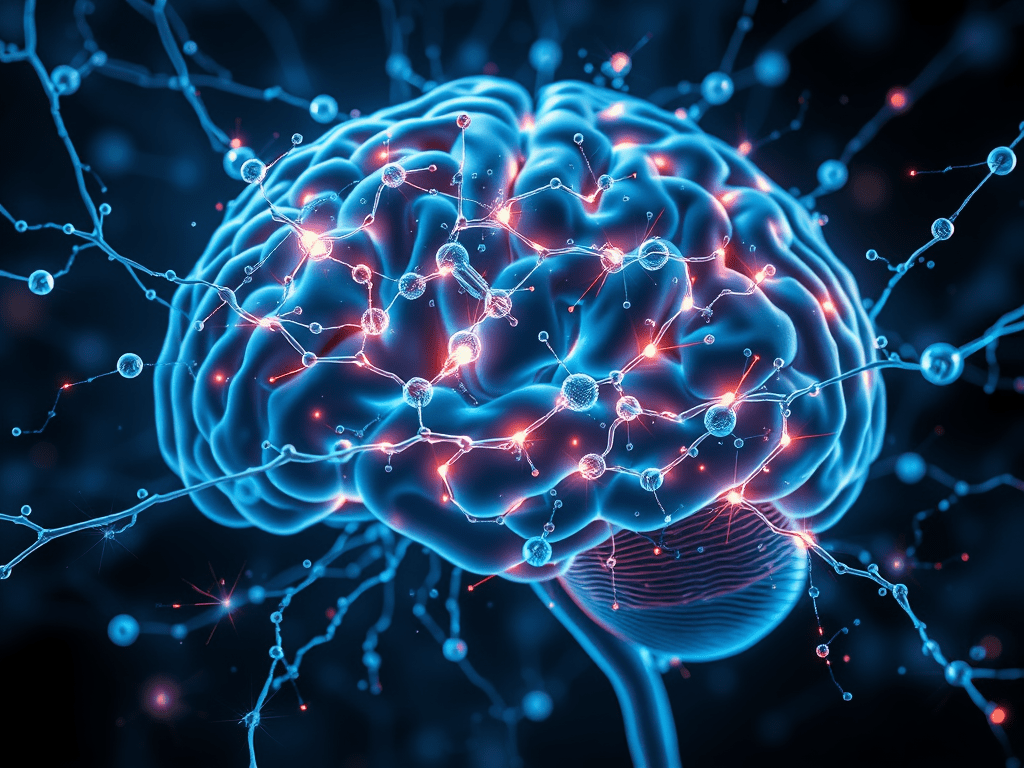
Introduction Nanotechnology is revolutionizing neurology, offering groundbreaking solutions for brain diseases, nerve damage, and neurological disorders. By operating at the molecular level, nanotech enables precise diagnostics, targeted drug delivery, and neural regeneration, transforming how we treat conditions like Alzheimer’s, Parkinson’s, stroke, and spinal cord injuries. This blog explores the key applications, innovations, and future potential…
-
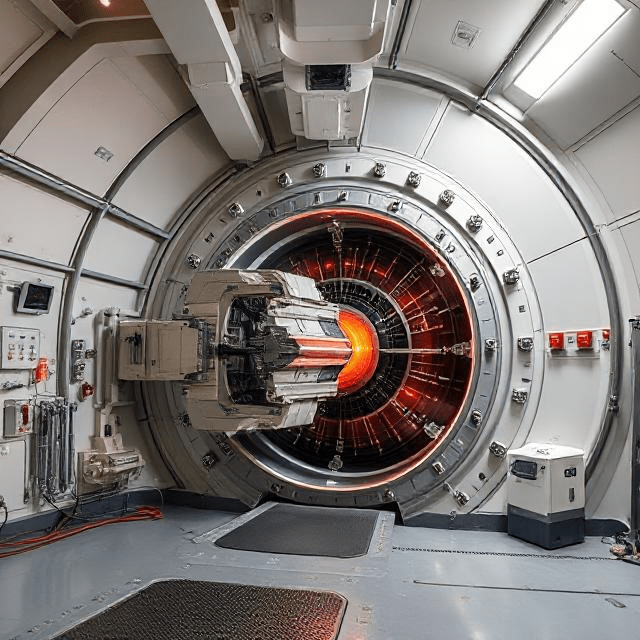
Particle accelerators are the ultimate tools for exploring the fundamental building blocks of the universe. The largest ones push particles to near-light speeds, creating extreme conditions that replicate the early universe. Here’s a look at the biggest and most powerful particle accelerators in the world. 1. Large Hadron Collider (LHC) – CERN, Switzerland/France 🔹 Circumference:…
-

Introduction The fusion of nanotechnology and artificial intelligence (AI) is unlocking groundbreaking innovations across medicine, computing, materials science, and robotics. While AI enhances nanoscale research with data-driven insights, nanotechnology provides AI with ultra-efficient hardware for faster, smarter decision-making. This blog explores how these two cutting-edge fields intersect, their key applications, and future possibilities. How AI…
-

Quantum dots (QDs), nanoscale semiconductor particles just 2–10 nanometers wide, are emerging as a game-changer in displays, medicine, solar energy, and quantum computing. These “artificial atoms” harness quantum mechanics to emit precise colors, detect diseases, and even revolutionize computing. Here’s how they work—and why they’re about to go mainstream. 1. What Are Quantum Dots? ⚛️…
-

Prince Frederik of Luxembourg Passes Away After Brave Battle with POLG Mitochondrial Disease It is with profound sorrow that we share the heartbreaking news of the passing of Prince Frederik of Luxembourg, who bravely fought against POLG mitochondrial disease, a rare and incurable genetic disorder. Frederik, who was diagnosed at the age of 14, succumbed to the…
 News Todays 1