News Todays 1
The latest news of the day
recent posts
- US Justice Department Releases Redacted Epstein Files, Sparking Criticism from Lawmakers
- Jeffrey Epstein Case: Latest Updates, Unsealed Files, and Where the Investigation Stands Now
- Who Was Jeffrey Epstein? Full Story of the Epstein Case and Files
- “The Universe Runs on Entropy — Here’s How”
- ⭐ How the Human Heart Works: Structure, Function & Complete Circulation Explained
Tag: astronomy
-

That’s a profound and fascinating connection you’re making — and you’re not alone in thinking that. Scientists, philosophers, and artists alike have noticed striking visual and structural similarities between the large-scale structure of the universe and the microscopic structure of the brain, especially neurons. 🧠✨🌌 Brain vs. Cosmos: Surprising Similarities 1. Visual Similarity 🔭 Images…
-
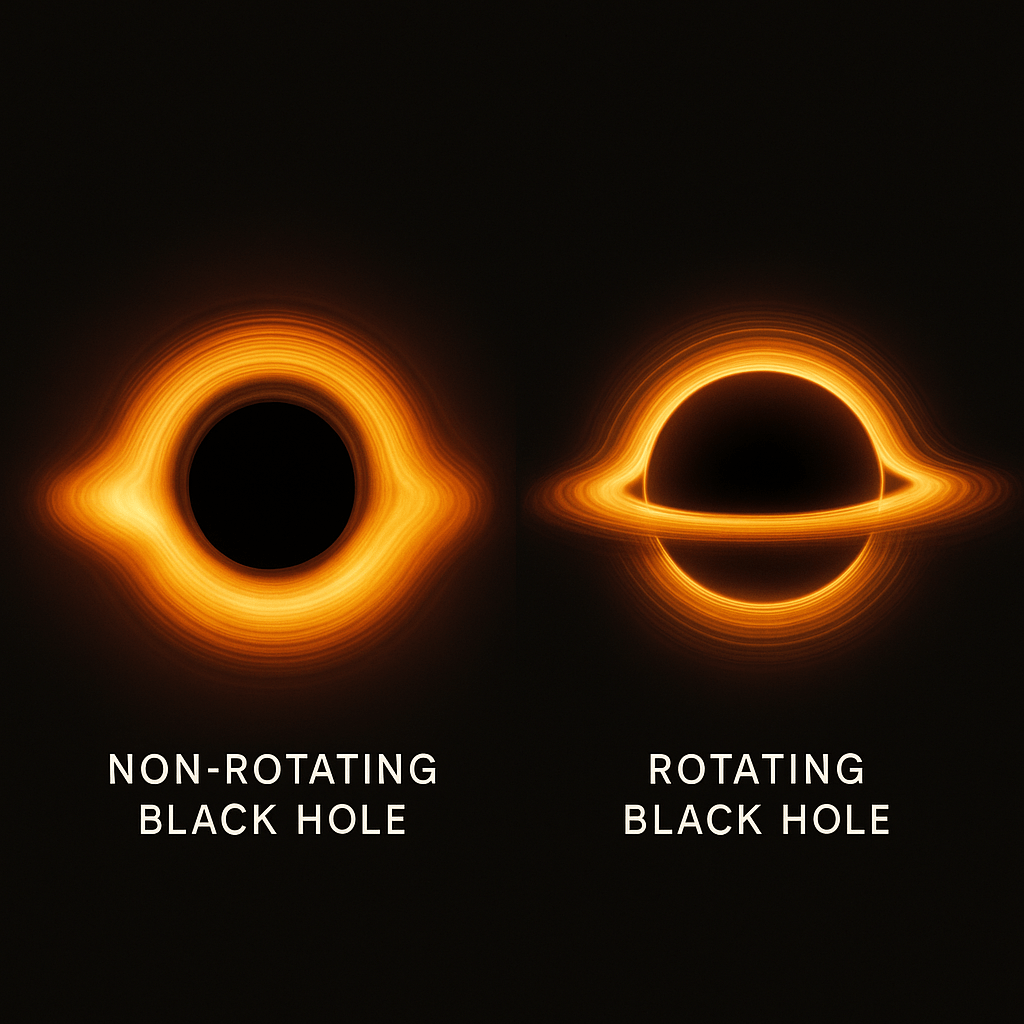
The actual shape of a black hole depends on how you’re looking at it: 🔵 1. Non-Rotating Black Hole (Schwarzschild Black Hole) 🌀 2. Rotating Black Hole (Kerr Black Hole) 👁️🗨️ What We See (Shadow of a Black Hole) 📷 First Real Image (M87, 2019 – Event Horizon Telescope) Would you like a visual showing…
-
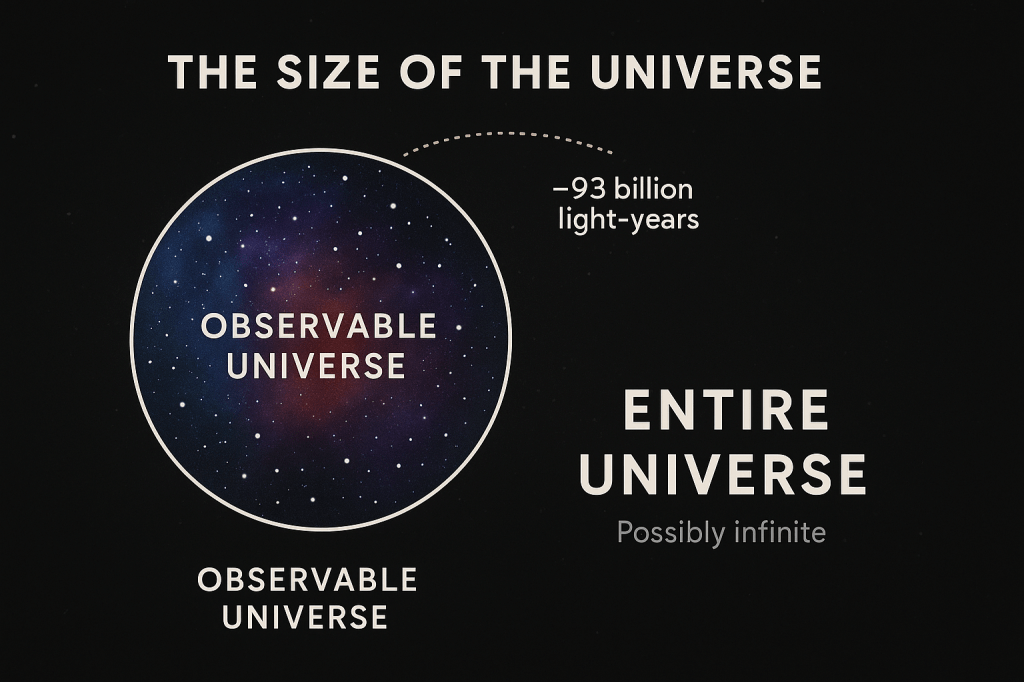
🌌 1. Observable Universe (What We Can See) 📏 Diameter: About 93 billion light-years 🧠 Imagine: You’re looking at galaxies that are so far away, you’re seeing them as they were just after the Big Bang. 🌠 2. Entire Universe (Including Beyond What We Can See) We don’t know its true size. But most cosmologists…
-
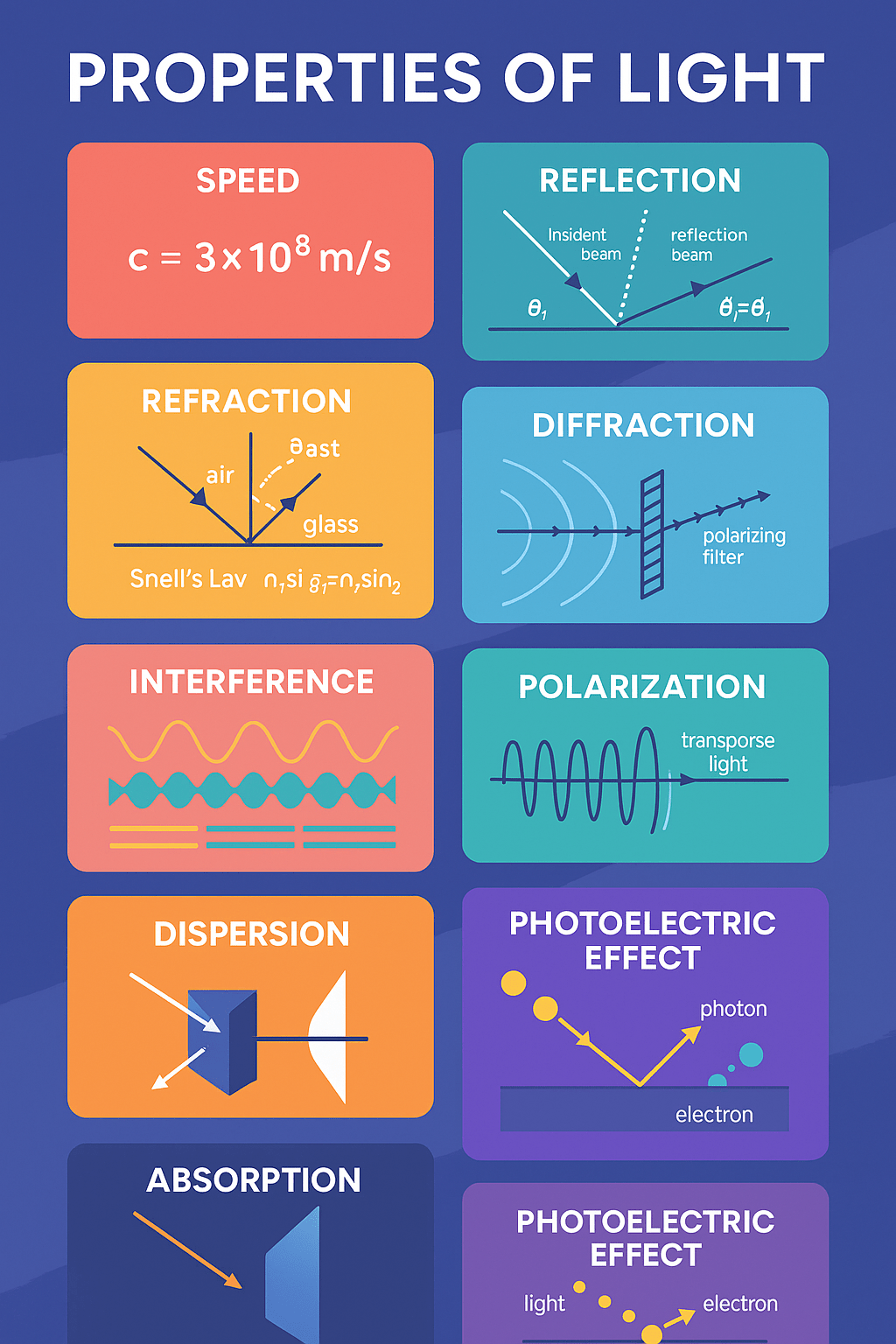
Most wonderful Properties of Light 🌈 1. Properties of Light Light is a form of energy that travels as an electromagnetic wave but also behaves like particles (photons). Here are its key properties: ✔ Speed ✔ Reflection ✔ Refraction ✔ Diffraction ✔ Interference ✔ Polarization ✔ Dispersion ✔ Absorption & Transmission ✔ Photoelectric Effect 🔄…
-
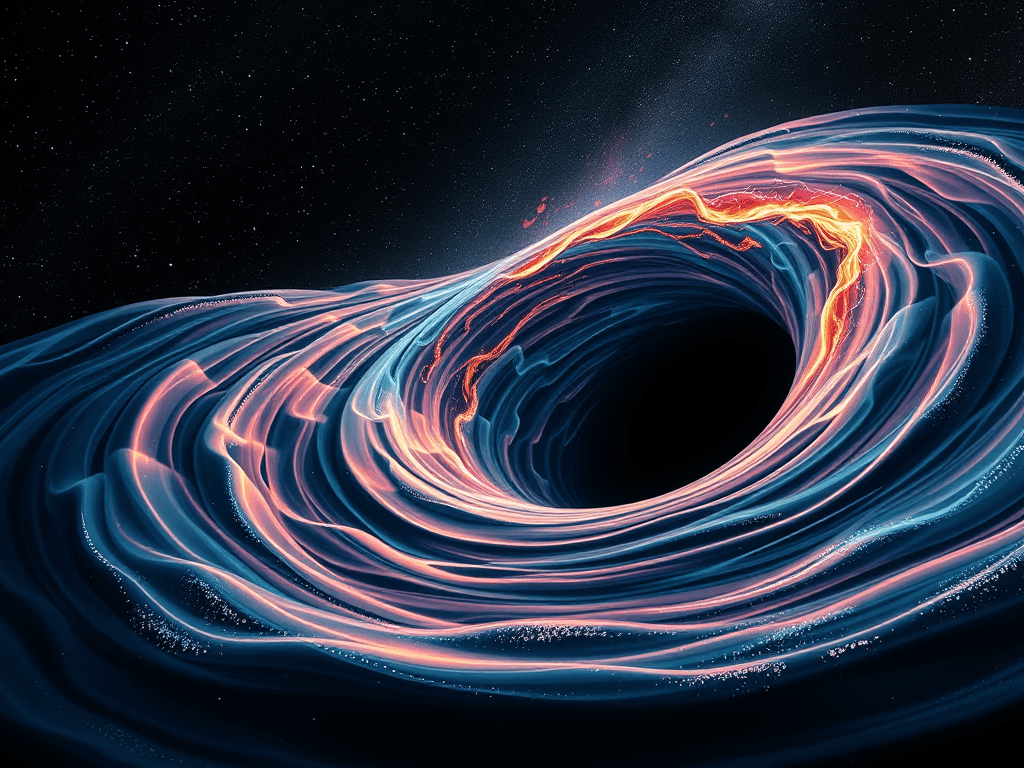
Introduction Gravitational waves are ripples in the fabric of spacetime, predicted by Einstein’s General Theory of Relativity (1915) and first directly detected in 2015 by LIGO (Laser Interferometer Gravitational-Wave Observatory). These waves are generated by the most violent cosmic events—merging black holes, neutron stars, and supernovae—and provide a new way to observe the universe. 1.…
-
Quantum dots (QDs), nanoscale semiconductor crystals, are no longer confined to Earthly applications. From ultra-sensitive space telescopes to next-gen propulsion systems, these tiny “artificial atoms” are poised to transform space exploration, astronomy, and satellite technology. Here’s how NASA, ESA, and private space firms are harnessing QDs for the final frontier. 1. Quantum Dots in Space…
-
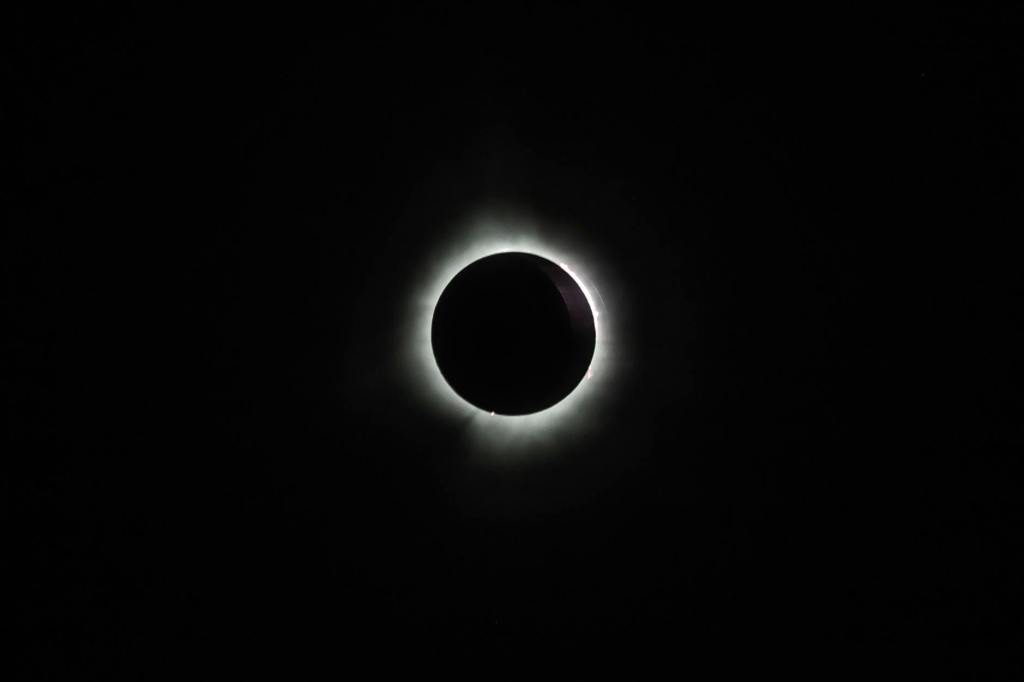
Lunar eclipses are among the most awe-inspiring celestial events, captivating skywatchers around the world. In 2025, two lunar eclipses will grace the night sky. A total lunar eclipse will occur in March. A partial lunar eclipse will happen in September. These events offer a unique opportunity to witness the intricate dance of the Earth, Moon,…
 News Todays 1