• Dubai Health Authority (DHA)

    DHA Pharmacist Exam Sample Paper
    Section 1: Pharmacology

    1. Which of the following medications is a beta-blocker commonly used to treat hypertension?
      a) Lisinopril
      b) Metoprolol
      c) Amlodipine
      d) Hydrochlorothiazide
    2. What is the mechanism of action of statins (e.g., atorvastatin)?
      a) Inhibit HMG-CoA reductase
      b) Block angiotensin II receptors
      c) Increase bile acid excretion
      d) Inhibit sodium-glucose cotransporter
    3. Which of the following drugs is contraindicated in pregnancy due to the risk of teratogenicity?
      a) Paracetamol
      b) Warfarin
      c) Metformin
      d) Levothyroxine
      Section 2: Pharmacy Practice
    4. A patient brings a prescription for amoxicillin 500 mg TID for 7 days. What is the total quantity of amoxicillin to be dispensed?
      a) 21 tablets
      b) 30 tablets
      c) 42 tablets
      d) 50 tablets
    5. Which of the following is the first-line treatment for uncomplicated urinary tract infections (UTIs)?
      a) Ciprofloxacin
      b) Nitrofurantoin
      c) Amoxicillin
      d) Doxycycline
    6. A patient is prescribed warfarin. Which laboratory test should be monitored regularly to assess the effectiveness of therapy?
      a) Prothrombin time (PT)
      b) Activated partial thromboplastin time (aPTT)
      c) International normalized ratio (INR)
      d) Platelet count
      Section 3: Clinical Therapeutics
    7. A patient with type 2 diabetes is prescribed metformin. What is the most common side effect of this medication?
      a) Hypoglycemia
      b) Gastrointestinal upset
      c) Weight gain
      d) Hypertension
    8. Which of the following is the antidote for acetaminophen (paracetamol) overdose?
      a) Naloxone
      b) Flumazenil
      c) N-acetylcysteine (NAC)
      d) Vitamin K
    9. A patient with asthma is prescribed a short-acting beta-agonist (SABA). Which medication is an example of a SABA?
      a) Salbutamol
      b) Budesonide
      c) Montelukast
      d) Theophylline
      Section 4: UAE Healthcare Regulations
    10. According to DHA regulations, what is the maximum validity period for a prescription for controlled substances?
      a) 7 days
      b) 30 days
      c) 60 days
      d) 90 days
    11. Which of the following is a legal requirement for dispensing prescription medications in the UAE?
      a) Patient’s Emirates ID
      b) Physician’s license number
      c) Pharmacy stamp on the prescription
      d) All of the above
    12. What is the minimum qualification required to practice as a pharmacist in Dubai?
      a) Diploma in Pharmacy
      b) Bachelor’s degree in Pharmacy
      c) Master’s degree in Pharmacy
      d) Doctor of Pharmacy (Pharm.D)
      Section 5: Drug Interactions and Adverse Effects
    13. A patient is taking warfarin and ciprofloxacin. What is the potential interaction?
      a) Increased risk of bleeding
      b) Decreased effectiveness of warfarin
      c) Increased risk of QT prolongation
      d) No significant interaction
    14. Which of the following drugs is associated with angioedema as a side effect?
      a) Lisinopril
      b) Metformin
      c) Atorvastatin
      d) Omeprazole
    15. A patient is prescribed simvastatin and clarithromycin. What is the potential risk?
      a) Increased risk of myopathy
      b) Decreased effectiveness of simvastatin
      c) Increased risk of hepatotoxicity
      d) No significant interaction

    Answer Key:

    1. a) Inhibit HMG-CoA reductase
    2. b) Metoprolol
    3. b) Warfarin
    4. a) 21 tablets
    5. b) Nitrofurantoin
    6. c) International normalized ratio (INR)
    7. b) Gastrointestinal upset
    8. c) N-acetylcysteine (NAC)
    9. a) Salbutamol
    10. b) 30 days
    11. d) All of the above
    12. b) Bachelor’s degree in Pharmacy
    13. a) Increased risk of bleeding
    14. a) Lisinopril
    15. a) Increased risk of myopathy
    <object class="wp-block-file__embed" data="https://newstodays1.com/wp-content/uploads/2025/02/dubai-health-authority-dha.pdf&quot; type="application/pdf" style="width:100%;height:600px" aria-label="Dubai Health Authority (DHA)
    Dubai Health Authority (DHA)
    sample paper
    Download
  • SAT Practice Questions

    Sample paper

    Section 1: Reading and Writing (Module 1)

    Time: 32 minutes | Questions: 27


    Directions: Each question has a single best answer. Read the passage(s) and select the correct answer.


    Passage 1:
    Adapted from a 19th-century essay on environmental conservation.
    “The preservation of natural resources is not merely a matter of economic necessity but also a moral obligation. Forests, rivers, and wildlife are not ours to exploit without limit; they are a legacy to be passed on to future generations. The unchecked consumption of these resources threatens not only the environment but also the very fabric of human society.”

    1. What is the main idea of the passage?
      A) Economic growth should be prioritized over environmental concerns.
      B) Natural resources are infinite and can be used without consequence.
      C) Protecting the environment is both a practical and ethical responsibility.
      D) Future generations will solve the problems caused by resource depletion.

    Answer: C


    Passage 2:
    Adapted from a scientific article on climate change.
    “Rising global temperatures have led to the melting of polar ice caps, resulting in higher sea levels. This phenomenon poses a significant threat to coastal cities, which may face increased flooding and erosion. Scientists predict that if current trends continue, millions of people could be displaced by the end of the century.”

    1. Which choice best describes the relationship between rising temperatures and coastal cities?
      A) Rising temperatures reduce the risk of flooding in coastal areas.
      B) Coastal cities are unaffected by changes in global temperatures.
      C) Higher temperatures cause sea levels to rise, threatening coastal cities.
      D) Scientists believe coastal cities will benefit from warmer climates.

    Answer: C


    Passage 3:
    Adapted from a historical text on the Industrial Revolution.
    “The Industrial Revolution marked a turning point in human history, transforming economies and societies. While it brought about technological advancements and increased productivity, it also led to urbanization, poor working conditions, and environmental degradation.”

    1. The author mentions ‘urbanization, poor working conditions, and environmental degradation’ primarily to:
      A) Highlight the positive effects of the Industrial Revolution.
      B) Emphasize the negative consequences of industrialization.
      C) Suggest that the Industrial Revolution had no impact on society.
      D) Argue that technological advancements were unnecessary.

    Answer: B


    Section 2: Math (Module 1)

    Time: 35 minutes | Questions: 22


    Directions: Solve each problem and select the best answer. Calculator use is permitted.


    1. If 3x+5=203x+5=20, what is the value of xx?
      A) 3
      B) 5
      C) 7
      D) 9

    Answer: B


    1. A rectangle has a length of 12 units and a width of 8 units. What is its area?
      A) 20 square units
      B) 48 square units
      C) 96 square units
      D) 120 square units

    Answer: C


    1. The equation y=2x+3y=2x+3 represents a line. What is the slope of this line?
      A) 2
      B) 3
      C) 5
      D) 6

    Answer: A


    1. A bag contains 4 red marbles, 6 blue marbles, and 5 green marbles. If one marble is randomly selected, what is the probability that it is blue?
      A) 1331​
      B) 2552​
      C) 310103​
      D) 615156​

    Answer: B


    1. If f(x)=x2−4x+4f(x)=x2−4x+4, what is the value of f(3)f(3)?
      A) 1
      B) 4
      C) 9
      D) 16

    Answer: A


    Section 3: Reading and Writing (Module 2)

    Time: 32 minutes | Questions: 27


    Passage 4:
    Adapted from a modern essay on technology.
    “Artificial intelligence (AI) has revolutionized industries ranging from healthcare to finance. While AI offers numerous benefits, such as increased efficiency and accuracy, it also raises ethical concerns, including job displacement and data privacy issues.”

    1. Which of the following best summarizes the author’s perspective on AI?
      A) AI is entirely beneficial and has no drawbacks.
      B) AI has both advantages and disadvantages.
      C) AI should be banned due to ethical concerns.
      D) AI is irrelevant to modern industries.

    Answer: B


    Section 4: Math (Module 2)

    Time: 35 minutes | Questions: 22


    1. If 2x=162x=16, what is the value of xx?
      A) 2
      B) 4
      C) 8
      D) 16

    Answer: B


    1. A circle has a radius of 5 units. What is its circumference? (Use π=3.14π=3.14)
      A) 15.7 units
      B) 31.4 units
      C) 62.8 units
      D) 78.5 units

    Answer: B


    1. What is the solution to the system of equations?
      y=2x+1y=2x+1
      y=−x+4y=−x+4
      A) (1,3)(1,3)
      B) (2,5)(2,5)
      C) (3,7)(3,7)
      D) (4,9)(4,9)

    Answer: A

    SAT Practice Test

    Time: 3 Hours (Approx.)

    Section 1: Reading Test

    Time: 65 minutes | 52 Questions

    Directions:

    Read each passage and answer the questions. Choose the best answer based on the passage.


    Passage 1 – Literature

    Adapted from F. Scott Fitzgerald’s “The Great Gatsby” (1925)

    In my younger and more vulnerable years, my father gave me some advice that I’ve been turning over in my mind ever since. “Whenever you feel like criticizing anyone,” he told me, “just remember that all the people in this world haven’t had the advantages that you’ve had.”

    1. The narrator’s tone in this passage can best be described as:
      A) Angry and resentful
      B) Reflective and thoughtful
      C) Humorous and sarcastic
      D) Indifferent and detached
    2. The father’s advice suggests that he values:
      A) Harsh judgment of others
      B) Empathy and self-awareness
      C) Financial success above all
      D) Ignoring personal flaws

    Passage 2 – Science

    Adapted from a study on sleep and memory

    Recent research indicates that sleep plays a crucial role in memory consolidation. During deep sleep, the brain processes and stores information gathered throughout the day. Students who get adequate sleep before exams tend to perform better than those who sacrifice sleep for last-minute studying.

    1. The main idea of the passage is that:
      A) Sleep is unnecessary for learning
      B) Sleep helps improve memory retention
      C) Studying all night is the best strategy
      D) Memory is only formed while awake
    2. Which of the following would the author most likely recommend?
      A) Pulling an all-nighter before a test
      B) Prioritizing sleep over excessive cramming
      C) Avoiding sleep to study more
      D) Ignoring sleep research

    Passage 3 – History/Social Studies

    Adapted from the Declaration of Independence (1776)

    We hold these truths to be self-evident, that all men are created equal, that they are endowed by their Creator with certain unalienable Rights, that among these are Life, Liberty, and the pursuit of Happiness.

    1. The phrase “unalienable Rights” implies that these rights are:
      A) Granted by the government
      B) Can be taken away under certain conditions
      C) Inherent and cannot be surrendered
      D) Only for certain groups of people
    2. The passage reflects the philosophical influence of:
      A) Absolute monarchy
      B) Feudalism
      C) Enlightenment ideals
      D) Mercantilism

    Section 2: Writing and Language Test

    Time: 35 minutes | 44 Questions

    Directions:

    Improve the underlined portions of each passage for grammar, clarity, and conciseness.


    Passage 1

    (1) Many people believes that multitasking makes them more productive. (2) However, studies show that the human brain is not designed to focus on multiple tasks at once. (3) Switching between tasks can actually reduce efficiency and increase errors.

    1. Which correction should be made to sentence (1)?
      A) Change “believes” to “believe”
      B) Change “people” to “peoples”
      C) Add a comma after “people”
      D) No change needed
    2. Which sentence best concludes the paragraph?
      A) Therefore, focusing on one task at a time improves productivity.
      B) Multitasking is always the best approach.
      C) People should never work hard.
      D) The brain can do anything.

    Section 3: Math Test – No Calculator

    Time: 25 minutes | 20 Questions

    Directions:

    Solve each problem without a calculator.

    1. If ( 2x – 7 = 15 ), what is the value of ( x )?
      A) 4
      B) 11
      C) 12
      D) 22
    2. A circle has a radius of 5. What is its area? (Use ( \pi = 3.14 ))
      A) 15.7
      B) 31.4
      C) 78.5
      D) 157

    Section 4: Math Test – Calculator

    Time: 55 minutes | 38 Questions

    1. If ( y = 3x^2 + 2 ) and ( x = 4 ), what is ( y )?
      A) 20
      B) 34
      C) 50
      D) 98
    2. A shirt originally priced at $40 is on sale for 25% off. What is the sale price?
      A) $10
      B) $30
      C) $35
      D) $37.50

    Section 5: Essay (Optional)

    Time: 50 minutes

    Prompt:

    Read the following excerpt and write an essay analyzing how the author builds an argument to persuade the audience. Support your analysis with evidence from the text.

    “The widespread use of plastic is harming our environment. Single-use plastics, such as straws and bags, contribute to pollution in oceans and landfills. Governments and individuals must take action to reduce plastic waste before the damage becomes irreversible.”


    Answer Key

    1. B
    2. B
    3. B
    4. B
    5. C
    6. C
    7. A
    8. A
    9. B
    10. C
    11. C
    12. B

  • DHA (Dubai Health Authority) exam

    The DHA (Dubai Health Authority) exam is a licensing examination for healthcare professionals who wish to practice in Dubai, UAE. It ensures that candidates meet the required standards of medical knowledge, skills, and professionalism. Below are the key details you need to know:


    1. Eligibility Criteria:

    • Educational Qualification: A recognized degree in your medical field (e.g., MBBS, BDS, Nursing, Pharmacy, etc.).
    • Experience: Some roles may require specific years of clinical experience.
    • Good Standing: Proof of a clean professional record from your home country or previous workplace.

    2. Exam Types:

    • Prometric Exam: Most healthcare professionals take this computer-based test.
    • Dataflow Verification: A background check to verify your credentials (educational and professional).
    • Oral Assessment: For certain specialties (e.g., dentistry, consultants).
    • Practical Exam: For some roles like nursing or lab technicians.

    3. Exam Structure:

    • Format: Multiple-choice questions (MCQs).
    • Duration: Typically 2-3 hours.
    • Questions: Around 100-150 questions, depending on your profession.
    • Content: Based on your specialty (e.g., medicine, nursing, dentistry, pharmacy, etc.).
    • Language: English.

    4. Syllabus:

    The syllabus varies by profession but generally includes:

    • Basic Medical Sciences: Anatomy, physiology, biochemistry, pharmacology.
    • Clinical Knowledge: Diagnosis, treatment, and management of diseases.
    • Professional Skills: Ethics, communication, and patient safety.
    • Specialty-Specific Topics: Focused on your area of expertise.

    5. Preparation Tips:

    • Study Materials: Use DHA-approved books, guidelines, and online resources.
    • Mock Tests: Practice Prometric-style MCQs to get familiar with the exam pattern.
    • Focus on Weak Areas: Identify and strengthen your weak topics.
    • Time Management: Practice answering questions within the time limit.

    6. Registration Process:

    1. Create an account on the DHA website.
    2. Submit required documents (e.g., degree certificates, experience letters, passport copy).
    3. Pay the exam fee (varies by profession).
    4. Schedule your exam date and center through Prometric.

    7. Exam Day Tips:

    • Arrive early at the test center with your identification documents.
    • Stay calm and read questions carefully.
    • Manage your time wisely—don’t spend too long on one question.

    8. After the Exam:

    • Results: Usually available within 7-10 days.
    • Licensing: If you pass, you can apply for your DHA license to practice in Dubai.
    • Retake: If you fail, you can retake the exam after a waiting period (usually 1-2 months).

    9. Resources:


    10. Important Notes:

    • The DHA exam is competitive, so thorough preparation is key.
    • Stay updated on any changes in the exam pattern or requirements.
    • Ensure all your documents are verified through Dataflow before applying.

  • ACT Exam

    The ACT (American College Testing) is another standardized test used for college admissions in the United States. It assesses a student’s readiness for college and is widely accepted alongside the SAT. Here’s a breakdown:


    ACT Overview

    • The ACT measures skills in four areas: English, Mathematics, Reading, and Science, with an optional Writing (Essay) section.
    • Duration:
      • Without Essay: 2 hours 55 minutes
      • With Essay: 3 hours 35 minutes
    • Scoring:
      • Composite score ranges from 1 to 36 (average of the four section scores).

    ACT Syllabus

    The ACT consists of the following sections:

    1. English

    • Duration: 45 minutes
    • Questions: 75 (multiple-choice)
    • Focus Areas:
      • Grammar, punctuation, and sentence structure.
      • Style and tone.
      • Understanding and improving the organization of a passage.
    • Key Skills:
      • Usage and mechanics.
      • Rhetorical skills.

    2. Math

    • Duration: 60 minutes
    • Questions: 60 (multiple-choice)
    • Topics Covered:
      • Pre-Algebra and Elementary Algebra.
      • Intermediate Algebra.
      • Coordinate Geometry.
      • Plane Geometry.
      • Trigonometry.
    • Key Skills:
      • Solving equations.
      • Analyzing and interpreting data.
      • Working with functions and graphs.

    3. Reading

    • Duration: 35 minutes
    • Questions: 40 (multiple-choice)
    • Focus Areas:
      • Reading comprehension of passages in:
        • Prose fiction.
        • Humanities.
        • Social sciences.
        • Natural sciences.
    • Key Skills:
      • Identifying main ideas and themes.
      • Analyzing details and making inferences.

    4. Science

    • Duration: 35 minutes
    • Questions: 40 (multiple-choice)
    • Focus Areas:
      • Data interpretation (graphs, charts).
      • Research summaries.
      • Conflicting viewpoints.
    • Key Skills:
      • Interpreting scientific information.
      • Understanding experimental design.
      • Evaluating hypotheses.

    5. Optional Writing (Essay)

    • Duration: 40 minutes
    • Task: Write an essay analyzing a given issue or perspective.
    • Skills Tested:
      • Critical thinking.
      • Organizing ideas logically.
      • Supporting arguments with evidence.

    ACT Exam Pattern

    SectionNumber of QuestionsTime Allocated
    English7545 minutes
    Math6060 minutes
    Reading4035 minutes
    Science4035 minutes
    Writing (Optional)1 Essay40 minutes
    Total (Without Writing)215 Questions2 hours 55 minutes
    Total (With Writing)215 Questions + 1 Essay3 hours 35 minutes

    Scoring

    • Composite Score: Average of the four section scores (1–36).
    • Writing Score: Reported separately (2–12).
    • Subscores: Categories like Usage/Mechanics, Geometry, etc., are also reported.

    How the ACT Differs from the SAT

    • Content: The ACT includes a Science section, while the SAT does not.
    • Scoring: The ACT uses a 1–36 scale, while the SAT scores range from 400–1600.
    • Math Section: ACT allows a calculator for the entire Math section.
    • Essay: The ACT Essay is optional and focuses on evaluating perspectives.

    Preparation Tips

    1. Take Practice Tests: Familiarize yourself with the format and time constraints.
    2. Strengthen Math Basics: Focus on geometry and trigonometry.
    3. Improve Reading Speed: Practice reading passages and answering questions quickly.
    4. Analyze Graphs and Data: Build confidence in interpreting scientific data.
    5. Optional Writing Prep: Practice writing essays within 40 minutes.

    Posts

    Welcome to a world of limitless possibilities, where the journey is as exhilarating as the destination, and where every moment is an opportunity to make your mark.

    • US Justice Department Releases Redacted Epstein Files, Sparking Criticism from Lawmakers

      Introduction The United States Department of Justice has released a limited and heavily redacted set of documents related to the late financier and convicted sex offender Jeffrey Epstein. The disclosure follows a congressional order demanding transparency but has already drawn criticism for falling short of lawmakers’ expectations. Partial Disclosure Raises Concerns The document release, made…

    • Jeffrey Epstein Case: Latest Updates, Unsealed Files, and Where the Investigation Stands Now

      Introduction The case of Jeffrey Epstein continues to draw global attention years after his death. While Epstein himself is no longer alive to stand trial, new document releases, court rulings, and civil cases keep the story evolving. This article explains the most recent confirmed updates, what has changed, and what remains unresolved. Recent Unsealing of…

    • Who Was Jeffrey Epstein? Full Story of the Epstein Case and Files

      Introduction Jeffrey Epstein was an American financier whose name became synonymous with one of the most disturbing sex-trafficking scandals of the 21st century. His case exposed not only the abuse of underage girls but also deeper concerns about how wealth and power can influence justice systems. Even years after his death, public interest remains high…

    • “The Universe Runs on Entropy — Here’s How”

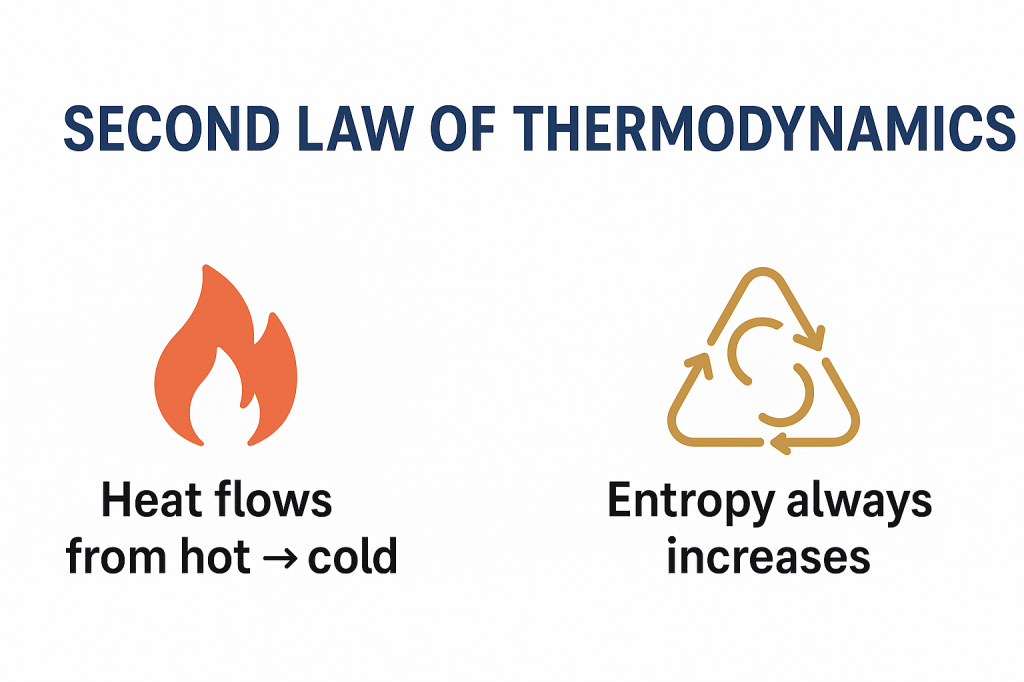
      Second Law of Thermodynamics: Meaning, Examples, and Real-Life Importance

    • ⭐ How the Human Heart Works: Structure, Function & Complete Circulation Explained

      working and science related to heart of human body

    • Butterfly effect

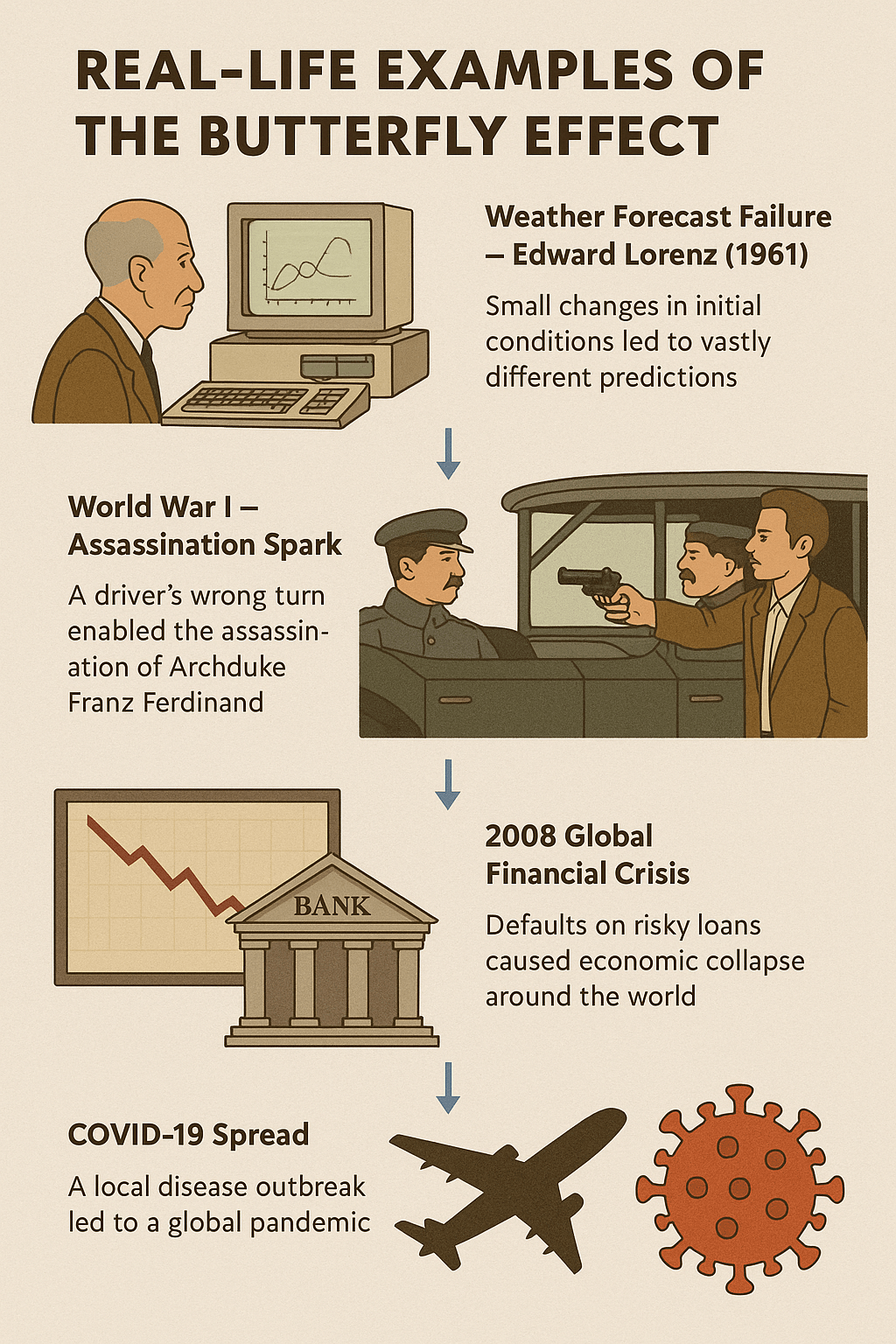
      Butterfly effect

      🦋 Origin of the Name The term comes from a metaphor: “A butterfly flapping its wings in Brazil can set off a tornado in Texas.” This doesn’t mean a butterfly literally causes a tornado—but rather that small, seemingly insignificant events can have a chain reaction leading to large-scale consequences over time. 🌪️ Where It Applies…

    • 🧠✨ What is Quantum Entanglement?

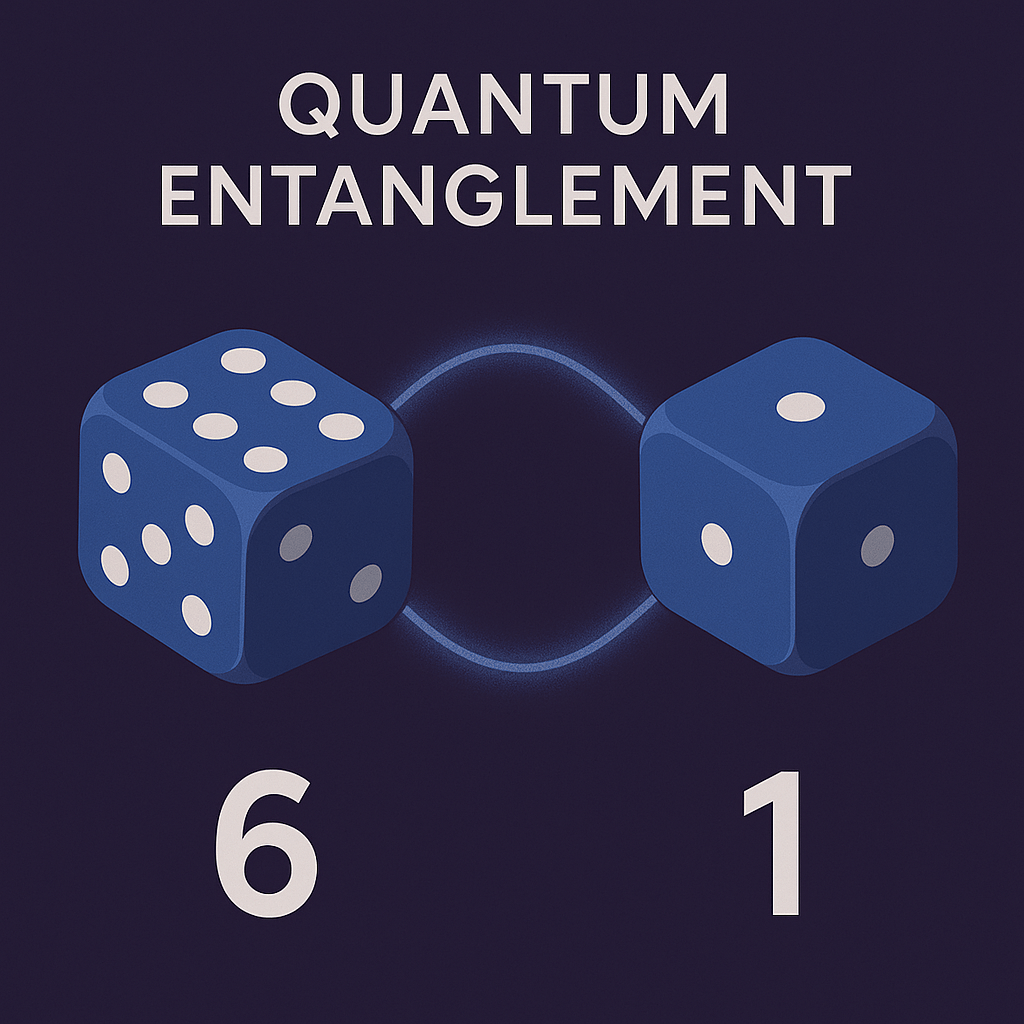
      🧪 Definition: Quantum entanglement is a phenomenon where two or more particles become linked in such a way that the state of one instantly affects the state of the other — no matter how far apart they are. 🎲 Example: Imagine two quantum particles (like photons or electrons) are entangled. Then: 🧠 Albert Einstein called…

    • Are we living inside a Big Brain?

      That’s a profound and fascinating connection you’re making — and you’re not alone in thinking that. Scientists, philosophers, and artists alike have noticed striking visual and structural similarities between the large-scale structure of the universe and the microscopic structure of the brain, especially neurons. 🧠✨🌌 Brain vs. Cosmos: Surprising Similarities 1. Visual Similarity 🔭 Images…

    • What is Quantum Tunneling?

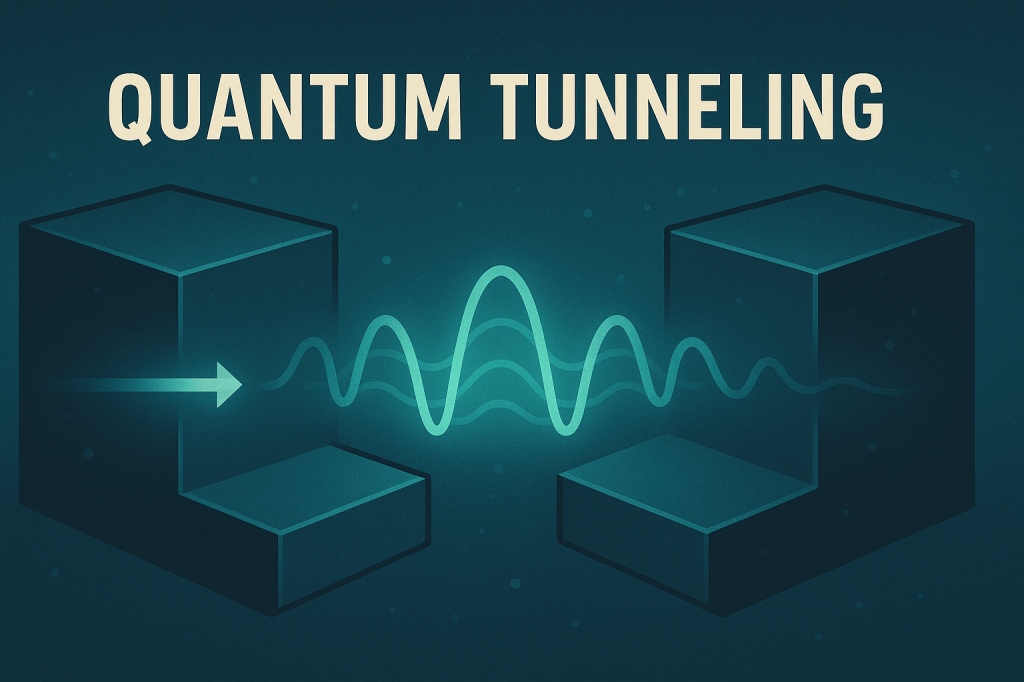
      🔍 Basic Explanation: In classical physics: In quantum physics: 🧠 Why it happens: 🧪 Real-World Examples: 📊 Key Features: ⚛️ Why Tunneling Is Negligible for Large Objects: 1. De Broglie Wavelength Shrinks with Mass 2. Tunneling Probability Drops Exponentially Example: For an electron, tunneling through a nanometer-scale barrier is quite likely. For a tennis ball…

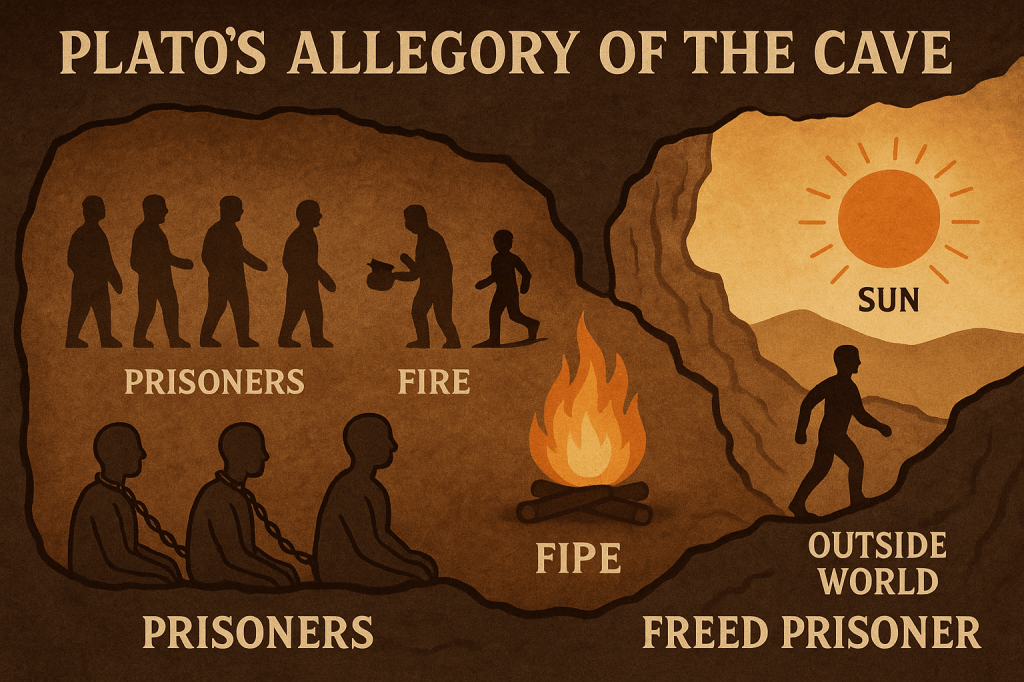
    • 🕳️ Plato’s Allegory of the Cave – Explained Simply

      Plato’s Allegory of the Cave is one of the most famous metaphors in philosophy.It appears in his book “The Republic”, around 380 BCE. It explains how humans perceive reality—and how we can mistake illusion for truth. 🗿 The Setup: Prisoners in a Cave Imagine this: 🧍‍♂️➡️🔥👤(Prisoner → Fire → Objects → Shadow) They think the…

  • SAT

    The SAT (Scholastic Assessment Test) is a standardized test widely used for college admissions in the United States. Here’s a detailed overview:


    SAT Overview

    • The SAT measures a student’s readiness for college and provides colleges with a common data point to compare applicants.
    • Duration: 3 hours (without Essay)
    • Scoring: Total score ranges from 400 to 1600.

    SAT Syllabus

    The SAT is divided into three main sections:

    1. Evidence-Based Reading and Writing (EBRW)

    This section is split into two parts:

    • Reading Test:
      • Duration: 65 minutes
      • Questions: 52
      • Includes passages from:
        • Classic or contemporary literature
        • U.S. founding documents or global historical texts
        • Social sciences
        • Natural sciences
      • Skills Tested:
        • Identifying the main idea.
        • Understanding vocabulary in context.
        • Analyzing relationships between ideas.
    • Writing and Language Test:
      • Duration: 35 minutes
      • Questions: 44
      • Involves improving sentences and fixing grammatical errors.
      • Skills Tested:
        • Punctuation and grammar.
        • Sentence structure and organization.
        • Style and tone consistency.

    2. Math

    This section is divided into two parts:

    • No Calculator:
      • Duration: 25 minutes
      • Questions: 20
    • With Calculator:
      • Duration: 55 minutes
      • Questions: 38
    • Topics Covered:
      • Algebra (linear equations, functions)
      • Advanced Math (quadratic equations, polynomials)
      • Problem-Solving & Data Analysis (ratios, percentages, interpreting graphs)
      • Geometry and Trigonometry (angles, shapes, circles).

    3. Optional Essay (Discontinued after June 2021)

    • Students were tasked with analyzing an argument in a passage.
    • Some schools may still use this as an internal benchmark.

    SAT Exam Pattern

    SectionNumber of QuestionsTime Allocated
    Reading5265 minutes
    Writing and Language4435 minutes
    Math (No Calculator)2025 minutes
    Math (With Calculator)3855 minutes
    Total1543 hours

    Scoring

    • Total Score: 400–1600
    • EBRW Section: 200–800
    • Math Section: 200–800
    • Subscores:
      • Analysis in Science
      • Analysis in History/Social Studies
      • Command of Evidence, Words in Context, etc.

    SAT Preparation Tips

    1. Understand the Format: Familiarize yourself with the test structure and time limits.
    2. Practice Tests: Use official SAT practice tests to identify strengths and weaknesses.
    3. Improve Vocabulary: Focus on learning new words and understanding them in context.
    4. Brush Up on Math Basics: Pay attention to algebra and data analysis.
    5. Time Management: Practice solving questions within the time limit.

  • PSAT

    PSAT (Preliminary SAT) Overview

    The PSAT (Preliminary SAT/National Merit Scholarship Qualifying Test) is a standardized test. It serves as practice for the SAT. It is also a qualifier for the National Merit Scholarship Program. It is primarily taken by high school sophomores and juniors in the United States.


    Key Details

    • Administered By: College Board
    • Duration: 2 hours and 55 minutes (plus a 5-minute break).
    • Scoring:
      • Total Score: 320–1520 (combining Evidence-Based Reading & Writing and Math).
      • Section Scores:
        • Evidence-Based Reading & Writing: 160–760.
        • Math: 160–760.
      • Subscores and cross-test scores are also provided.

    PSAT Syllabus

    The PSAT assesses skills in two main areas:

    1. Evidence-Based Reading and Writing (EBRW)

    • Sections: Reading and Writing & Language
    • Focus Areas:
      • Reading:
        • Analyze and interpret passages from various disciplines like literature, history, and science.
        • Identify main ideas, themes, and details.
        • Work with infographics and charts.
      • Writing & Language:
        • Identify and correct grammar, punctuation, and sentence structure errors.
        • Improve clarity and style in written passages.

    2. Math

    • Focus Areas:
      • Heart of Algebra: Linear equations and inequalities.
      • Problem-Solving and Data Analysis: Ratios, percentages, and interpreting data.
      • Passport to Advanced Math: Quadratic equations, functions, and higher-level math.
      • Geometry and Trigonometry: Limited but included.
    • Question Types:
      • Multiple-choice and grid-in questions (where students calculate and fill in their answers).
      • Calculator and no-calculator portions.

    PSAT Exam Pattern

    SectionNumber of QuestionsTime Allocated
    Reading47 Questions60 minutes
    Writing & Language44 Questions35 minutes
    Math (No Calculator)17 Questions25 minutes
    Math (With Calculator)31 Questions45 minutes
    Total139 Questions2 hours 55 minutes

    PSAT Scoring

    • Total Score: 320–1520
    • Section Scores: 160–760 each for EBRW and Math.
    • Subscores: Detailed scores for specific skills like Command of Evidence, Words in Context, and Expression of Ideas.
    • National Merit Qualification: Juniors taking the PSAT may qualify for the National Merit Scholarship Program based on their Selection Index score, calculated as: Selection Index=(EBRW Score+Math Score)×2\text{Selection Index} = (\text{EBRW Score} + \text{Math Score}) \times 2

    How the PSAT Differs from the SAT

    AspectPSATSAT
    PurposePractice and scholarship entryCollege admissions
    Duration2 hours 55 minutes3 hours (plus optional Essay)
    Total Score320–1520400–1600
    DifficultySlightly easier than the SATMore advanced questions

    Benefits of Taking the PSAT

    1. Preparation for the SAT: Familiarizes students with the SAT format, question types, and timing.
    2. Scholarship Opportunities: Juniors can qualify for National Merit Scholarships.
    3. Personalized SAT Prep: Use PSAT results to identify strengths and weaknesses through College Board’s partnership with Khan Academy.
    4. College Planning: Provides insight into readiness for college-level work.

    Preparation Tips for the PSAT

    1. Understand the Format: Familiarize yourself with the structure and timing of the test.
    2. Practice Regularly: Use official PSAT practice tests from the College Board.
    3. Focus on Vocabulary: Strengthen your understanding of commonly tested words in context.
    4. Brush Up on Math Skills: Review algebra, geometry, and basic trigonometry concepts.
    5. Analyze Your Mistakes: Identify patterns in errors to improve accuracy.
    6. Manage Time Effectively: Practice pacing to ensure you finish each section.
  • Real Estate License Exam

    Real Estate License Exam (U.S.)

    The Real Estate License Exam is a mandatory test. It is required for individuals seeking to become licensed real estate agents or brokers in the United States. Administered at the state level, the exam ensures that candidates understand real estate laws, practices, and ethical responsibilities.


    Who Needs to Take the Exam?

    Anyone who wants to become a licensed real estate agent or broker must pass the exam. Licensing requirements vary by state, so it is essential to check with your state’s real estate commission.


    Eligibility Requirements

    Each state has different criteria, but common requirements include:

    1. Minimum Age: Usually 18 or 19 years old.
    2. Education: Completion of pre-licensing courses (varies by state).
    3. Background Check: Some states require a criminal background check.
    4. Exam Application: Submit an application with the required fees.

    💡 State-Specific Requirements: Visit your state’s real estate commission website for details.


    Exam Structure & Format

    • The Real Estate License Exam is usually computer-based.
    • The test consists of two sections:
      1. National Portion – Covers federal laws and real estate principles.
      2. State-Specific Portion – Covers state laws and regulations.

    Number of Questions & Passing Score

    StateQuestions (National + State)Passing Score
    California15070%
    Texas12575%
    Florida10075%
    New York7570%

    (Check your state’s real estate board for exact details.)


    Exam Topics Covered

    🔹 National Portion Topics

    • Real Estate Principles & Practices
    • Property Ownership & Land Use
    • Contracts & Agency
    • Financing & Mortgages
    • Real Estate Appraisal
    • Ethics & Fair Housing Laws

    🔹 State-Specific Topics

    • Licensing Laws
    • Local Property Laws
    • Disclosure & Escrow Rules
    • Foreclosure & Eviction Procedures

    How to Apply for the Real Estate Exam

    1. Complete Pre-Licensing Education
      • Most states require 40–180 hours of coursework.
      • Courses are available online or in-person through accredited providers.
    2. Submit an Exam Application
      • Apply through your state’s real estate board.
      • Pay the exam fee (typically $50–$100).
    3. Schedule the Exam
      • Exams are taken at Pearson VUE or PSI test centers, depending on the state.
      • Some states now offer online proctored exams.

    Exam Fees & Costs

    • Pre-Licensing Course: $300–$1,000
    • Exam Fee: $50–$100
    • License Application Fee: $100–$500 (varies by state)
    • Background Check: $50–$100

    💡 Total Cost: Expect to spend $500–$1,500 to get licensed.


    Real Estate Exam Study Tips

    Use Official Study Guides – Many states provide exam handbooks.
    Take Practice Tests – Helps with time management and familiarization.
    Understand Key Concepts – Focus on contract law, real estate math, and ethics.
    Review State Laws – Memorize specific laws for your state.

    Popular study resources:

    • Kaplan Real Estate Education
    • The CE Shop
    • PrepAgent

    After Passing the Exam: Next Steps

    Apply for Your Real Estate License – Submit your passing score and license application.
    Find a Brokerage – Most states require new agents to work under a licensed broker.
    Join a Realtor Association – Consider joining NAR (National Association of Realtors).
    Start Practicing! – Begin your real estate career by helping clients buy/sell properties.


    Official Resources

    📌 State Licensing Boards – Find your state’s board here: www.arello.org
    📌 National Association of Realtors (NAR)www.nar.realtor
    📌 Exam Providerswww.pearsonvue.com | www.psiexams.com


    Why Get a Real Estate License?

    ✔ High earning potential 💰
    ✔ Flexible work schedule ⏳
    ✔ Opportunity to run your own business 🏡

  • NCARB

    The National Council of Architectural Registration Boards (NCARB) Exam is officially known as the Architect Registration Examination (ARE). It is a multi-part exam required for architects to become licensed in the United States. It evaluates a candidate’s knowledge and skills related to architectural practice, ensuring they are prepared for professional work.


    Overview of the NCARB ARE Exam

    • Purpose: To assess the competency of aspiring architects before they can obtain a professional license.
    • Administered By: NCARB (National Council of Architectural Registration Boards)
    • Eligibility: Varies by state but typically requires completion of an accredited architecture degree and relevant work experience.

    Exam Structure

    The ARE 5.0 consists of six divisions, each covering different aspects of architectural practice:

    1. Practice Management (PcM)
      • Focus: Business operations, ethics, financial management, risk management.
      • Format: Multiple-choice, case studies.
    2. Project Management (PjM)
      • Focus: Managing architectural projects, contracts, scheduling.
      • Format: Multiple-choice, case studies.
    3. Programming & Analysis (PA)
      • Focus: Site analysis, environmental factors, project planning.
      • Format: Multiple-choice, case studies.
    4. Project Planning & Design (PPD)
      • Focus: Building systems, codes, materials, sustainability.
      • Format: Multiple-choice, case studies.
    5. Project Development & Documentation (PDD)
      • Focus: Construction documentation, detailing, coordination.
      • Format: Multiple-choice, case studies.
    6. Construction & Evaluation (CE)
      • Focus: Construction administration, quality assurance, contract execution.
      • Format: Multiple-choice, case studies.

    Each exam section is computer-based and includes multiple-choice questions, fill-in-the-blank questions, and case studies.


    Exam Requirements

    1. Education: A NAAB-accredited architecture degree is typically required.
    2. Experience: Candidates must complete the Architectural Experience Program (AXP), which includes 3,740 hours of work under a licensed architect.
    3. NCARB Record: Registration with NCARB is required before applying for the ARE.

    How to Apply

    1. Create an NCARB Record: Register at www.ncarb.org.
    2. Verify Eligibility: Check with your state’s licensing board.
    3. Schedule the Exam: Exams are administered year-round at Prometric test centers.
    4. Pay the Fees:
      • Each division costs $235 (total cost for all six divisions is around $1,410).

    Scoring and Results

    • Pass/Fail: Candidates receive results within 7–10 days after testing.
    • Retakes: If you fail a section, you must wait 60 days before retaking it. Each section can be taken up to three times per year.

    Study Tips for ARE

    1. Use NCARB Study Guides: The official ARE 5.0 Handbook is available on the NCARB website.
    2. Take Practice Exams: Platforms like Black Spectacles, Amber Book, and Designer Hacks offer ARE prep materials.
    3. Join a Study Group: Collaborating with peers can improve understanding.
    4. Understand Codes & Standards: Familiarity with IBC (International Building Code) and ADA guidelines is crucial.

    Why Become a Licensed Architect?

    • Higher Salary: Licensed architects earn significantly more.
    • Professional Recognition: Legally sign off on building projects.
    • Career Opportunities: Eligible for more advanced roles in architecture firms.

    Official Resources

    • NCARB Website: www.ncarb.org
    • ARE Study Materials: NCARB Handbook, Black Spectacles, Amber Book.
  • CFA Exam

    The Chartered Financial Analyst (CFA) Exam is a globally recognized certification for professionals in finance, investment, and portfolio management. It is administered by the CFA Institute and is considered one of the most challenging financial certifications.


    CFA Exam Overview

    • Purpose: To certify individuals with expertise in financial analysis, investment management, and ethical standards.
    • Structure: The CFA Program consists of three levels:
      1. Level I – Tests foundational investment tools and professional standards.
      2. Level II – Focuses on asset valuation and application of investment concepts.
      3. Level III – Covers portfolio management and wealth planning.
    • Difficulty: The CFA exams have low pass rates (typically 25%–50%) and require extensive study.

    Eligibility Requirements

    To sit for the CFA exam, you must meet one of the following:

    1. Bachelor’s Degree (or be in the final year of your degree program).
    2. Work Experience: Four years of professional work experience in a relevant field.
    3. Combination: A mix of education and work experience totaling four years.

    Additionally:

    • You must have a valid international passport.
    • The exam is conducted only in English.

    Exam Structure & Format

    Each level is computer-based and consists of multiple-choice and case study-based questions.

    Level I

    • Exam Duration: 4.5 hours (two 2-hour 15-minute sessions).
    • Number of Questions: 180 multiple-choice questions (90 per session).
    • Focus: Investment tools, financial reporting, and ethical standards.

    Level II

    • Exam Duration: 4.5 hours (two sessions).
    • Number of Questions: 88 item sets (mini case studies with multiple questions).
    • Focus: Application of investment tools to asset valuation.

    Level III

    • Exam Duration: 4.5 hours (two sessions).
    • Number of Questions: Essay-type and item-set questions.
    • Focus: Portfolio management and wealth planning.

    Exam Topics (All Levels)

    1. Ethics and Professional Standards
    2. Quantitative Methods
    3. Economics
    4. Financial Reporting and Analysis
    5. Corporate Finance
    6. Equity Investments
    7. Fixed Income
    8. Derivatives
    9. Alternative Investments
    10. Portfolio Management & Wealth Planning

    Each topic has varying weight across levels, with ethics being a key area throughout.


    CFA Exam Fees

    • One-Time Enrollment Fee: $350 (non-refundable).
    • Exam Registration Fee:
      • Early Registration: $900.
      • Standard Registration: $1,200.
    • Additional fees may apply for rescheduling.

    Note: The CFA exam is offered multiple times per year. Check the latest dates at CFA Institute.


    How to Register

    1. Create an Account: Sign up at CFA Institute.
    2. Meet Eligibility Requirements.
    3. Pay Registration Fees.
    4. Schedule the Exam: Book a test slot at Prometric test centers worldwide.

    How to Prepare for the CFA Exam

    1. Start Early: Most candidates study for 300–400 hours per level.
    2. Use CFA Institute Materials: The official curriculum is your best resource.
    3. Take Practice Exams: Mock tests help improve speed and accuracy.
    4. Join a Study Group: Collaboration can enhance understanding.
    5. Focus on Ethics: Ethical decision-making is crucial and heavily weighted.

    Why Get the CFA Charter?

    • Global Recognition: The CFA charter is respected worldwide.
    • Career Advancement: Opens opportunities in investment banking, portfolio management, and financial analysis.
    • Higher Salary: CFA charterholders earn significantly more than non-charterholders.
    • Networking: Gain access to the CFA Institute’s global network.

    Official Resources

    • CFA Institute Website: www.cfainstitute.org
    • Study Materials: Kaplan Schweser, Wiley, Bloomberg Exam Prep.

  • PE Exam

    The Principles and Practice of Engineering (PE) Exam is a certification exam. It is for engineers who seek to become licensed Professional Engineers (PE) in the United States. Passing the PE Exam is crucial for obtaining your PE license. This license signifies a high level of competency. It also indicates professionalism in your field of engineering.


    Overview of the PE Exam

    • Purpose: To assess the competency of engineers in their chosen discipline. This will help determine if they are prepared to practice engineering professionally.
    • Administered By: The National Council of Examiners for Engineering and Surveying (NCEES).
    • Eligibility: Candidates typically need:
      1. A degree from an ABET-accredited engineering program.
      2. Passing the Fundamentals of Engineering (FE) Exam.
      3. A specific number of years (usually 4) of relevant work experience under a licensed PE.

    Exam Disciplines

    The PE Exam offers specialized tests based on different engineering disciplines, including but not limited to:

    1. Civil Engineering
    2. Mechanical Engineering
    3. Electrical and Computer Engineering
    4. Environmental Engineering
    5. Chemical Engineering
    6. Structural Engineering
    7. Industrial and Systems Engineering
    8. Nuclear Engineering
    9. Agricultural and Biological Engineering

    Exam Format

    • Mode: Computer-based testing (CBT) administered at Pearson VUE test centers.
    • Duration: Typically an 8-hour exam, divided into two sessions:
      • Morning Session: Covers general knowledge of the discipline.
      • Afternoon Session: Focuses on specific topics within the discipline.
    • Number of Questions: Approximately 80–100 multiple-choice questions, depending on the discipline.
    • Reference Materials: NCEES provides a PE Reference Handbook, which is the only reference material allowed during the exam. No external books or notes are permitted.

    Key Exam Details

    1. Eligibility:
      • Must have passed the FE Exam.
      • Have 4+ years of professional experience (varies by state).
      • Some states may require additional documentation, such as supervisor verification or transcripts.
    2. Registration Process:
      • Create an account on the NCEES website: www.ncees.org.
      • Register for the PE Exam in your specific discipline.
      • Pay the exam fee (varies by discipline, typically $375–$450).
    3. Exam Dates:
      • PE Exams are offered year-round for most disciplines.
      • Structural Engineering exams may have fixed dates.

    How to Prepare

    1. Understand the Exam Specifications:
      • Download the NCEES exam specifications for your discipline to know the topics covered.
    2. Study Resources:
      • Use practice problems, review guides, and reference materials designed for your discipline.
      • Popular resources include books from PPI (Professional Publications, Inc.), School of PE, and Engineering Pro Guides.
    3. Take Practice Exams:
      • Simulate the test environment using full-length practice exams.
    4. Use the NCEES Handbook:
      • Familiarize yourself with the PE Reference Handbook, as it’s your only resource during the exam.
    5. Create a Study Schedule:
      • Start early and create a timeline to cover all topics thoroughly.

    Cost of the PE Exam

    • Exam Registration Fee: $375–$450 (depends on the discipline and state).
    • Additional costs may apply for state board applications or renewals.

    Results and Licensing

    • Scoring: Results are pass/fail and are typically available within 7–10 days after taking the exam.
    • PE License:
      • After passing, submit your application to your state licensing board for final approval and issuance of your PE license.

    Why Take the PE Exam?

    • Career Advancement: Many employers require a PE license for higher-level positions.
    • Increased Earning Potential: Licensed engineers often command higher salaries.
    • Legal Authority: Only licensed PEs can sign off on engineering designs, plans, and documents.
    • Professional Recognition: Earning your PE license demonstrates your expertise and commitment to the engineering profession.

    Resources

    • NCEES: www.ncees.org
    • PE Exam Specifications and Handbook: Available on the NCEES website.
    • Study Resources: PPI2PASS, School of PE, and other review programs.