• The LSAT (Law School Admission Test) is a standardized test. It is used for admissions to law schools. This is primarily in the United States and Canada. It evaluates skills essential for success in law school, such as reading comprehension, logical reasoning, and analytical thinking.


    LSAT Overview

    • Administered By: LSAC (Law School Admission Council).
    • Duration: Approximately 3 hours (excluding breaks).
    • Scoring: 120–180 (scaled score).

    LSAT Syllabus

    The LSAT is divided into the following sections:

    1. Logical Reasoning (LR)

    • Duration: 2 sections, 35 minutes each.
    • Questions: ~24–26 per section.
    • Focus:
      • Analyze and evaluate arguments.
      • Identify assumptions, strengths, and weaknesses in reasoning.
      • Draw logical conclusions.
    • Skills Tested:
      • Critical thinking.
      • Argument analysis.

    2. Analytical Reasoning (AR) (Logic Games)

    • Duration: 35 minutes.
    • Questions: ~22–24.
    • Focus:
      • Solve logic puzzles with constraints and relationships.
      • Common scenarios include seating arrangements, schedules, and grouping tasks.
    • Skills Tested:
      • Deductive reasoning.
      • Identifying patterns and relationships.

    3. Reading Comprehension (RC)

    • Duration: 35 minutes.
    • Questions: ~26–28.
    • Focus:
      • Read and analyze complex texts from fields such as law, humanities, social sciences, and natural sciences.
    • Skills Tested:
      • Identifying main ideas and supporting details.
      • Understanding structure and tone.
      • Making inferences.

    4. Variable (Unscored Experimental Section)

    • Duration: 35 minutes.
    • Details: This unscored section tests new questions for future exams. It can be any of the above types (LR, AR, RC). Test-takers are not informed which section is experimental.

    5. Writing Sample

    • Duration: 35 minutes (unscored).
    • Focus:
      • Write an essay defending one of two positions presented in a prompt.
    • Purpose:
      • Show reasoning and clarity in writing.
      • Sent to law schools as part of the application.

    LSAT Exam Pattern

    SectionNumber of QuestionsTime Allocated
    Logical Reasoning~50 (2 sections)70 minutes
    Analytical Reasoning~22–2435 minutes
    Reading Comprehension~26–2835 minutes
    Unscored Experimental~22–2835 minutes
    Writing Sample1 Essay35 minutes
    Total~100–102 Questions~3 hours

    LSAT Scoring

    • Total Score: 120–180 (scaled).
    • Raw Score: Number of correct answers (no penalty for wrong answers).
    • Percentile Rank: Indicates your performance relative to other test-takers.

    LSAT Preparation Tips

    1. Familiarize with Question Types: Understand the format of Logical Reasoning, Analytical Reasoning, and Reading Comprehension questions.
    2. Practice Logic Games: Focus on diagramming and solving efficiently.
    3. Read Complex Texts: Improve comprehension by reading legal and academic materials.
    4. Time Management: Practice completing sections within the time limit.
    5. Take Practice Tests: Use official LSAT PrepTests for realistic practice.
    6. Analyze Mistakes: Review errors to understand reasoning and improve accuracy.

    Additional Features

    • LSAT-Flex: A shorter, online version introduced during the pandemic (now replaced by LSAT online).
    • Retakes: You can take the LSAT up to 7 times in a lifetime (specific limits apply within testing years).
    • Law Hub Prep: LSAC offers official preparation tools and full-length practice tests.

  • The GMAT (Graduate Management Admission Test) is a standardized test used for admissions to business schools and MBA programs worldwide. It assesses analytical, quantitative, verbal, and reading skills in a business context.


    GMAT Overview

    • Administered By: GMAC (Graduate Management Admission Council).
    • Duration: Approximately 3 hours 7 minutes (including optional breaks).
    • Scoring:
      • Total Score: 200–800 (based on Verbal and Quantitative sections).
      • Analytical Writing: 0–6 (in half-point increments).
      • Integrated Reasoning: 1–8 (in 1-point increments).

    GMAT Syllabus

    The GMAT consists of four main sections:

    1. Analytical Writing Assessment (AWA)

    • Duration: 30 minutes
    • Task: Analyze an argument, critique its logic, and suggest improvements.
    • Skills Tested:
      • Critical thinking.
      • Logical analysis.
      • Clarity of writing.

    2. Integrated Reasoning (IR)

    • Duration: 30 minutes
    • Questions: 12 (multi-format).
    • Question Types:
      1. Multi-Source Reasoning: Analyze data from multiple sources (charts, emails, etc.).
      2. Table Analysis: Organize and interpret data in a table.
      3. Graphics Interpretation: Draw insights from graphs or charts.
      4. Two-Part Analysis: Solve problems requiring two simultaneous answers.
    • Skills Tested:
      • Data integration.
      • Logical reasoning.
      • Interpreting visual information.

    3. Quantitative Reasoning

    • Duration: 62 minutes
    • Questions: 31 (multiple-choice).
    • Question Types:
      1. Problem-Solving: Solve mathematical problems.
      2. Data Sufficiency: Decide if the provided data is enough to answer the question.
    • Topics Covered:
      • Arithmetic (percentages, ratios).
      • Algebra (linear equations, quadratic equations).
      • Geometry (angles, shapes, coordinate geometry).
      • Word Problems (profit/loss, speed/distance).

    4. Verbal Reasoning

    • Duration: 65 minutes
    • Questions: 36 (multiple-choice).
    • Question Types:
      1. Reading Comprehension:
        • Answer questions based on business-related passages.
      2. Critical Reasoning:
        • Analyze and evaluate arguments.
      3. Sentence Correction:
        • Identify and fix grammatical errors in sentences.
    • Skills Tested:
      • Logical analysis.
      • Grammar and sentence structure.
      • Comprehension of written material.

    GMAT Exam Pattern

    SectionNumber of QuestionsTime Allocated
    Analytical Writing1 Task30 minutes
    Integrated Reasoning12 Questions30 minutes
    Quantitative Reasoning31 Questions62 minutes
    Verbal Reasoning36 Questions65 minutes
    Total~80 Questions~3 hours 7 minutes

    GMAT Scoring

    • Total Score: 200–800 (Verbal and Quantitative combined).
    • AWA: 0–6 (evaluated by a human rater and AI).
    • Integrated Reasoning: 1–8 (not part of the total score).
    • Percentile Rank: Indicates performance relative to other test-takers.

    Preparation Tips

    1. Understand the Format: Familiarize yourself with question types and time limits.
    2. Practice with Official GMAT Materials: Use practice tests and guides from GMAC.
    3. Focus on Data Sufficiency: Master this unique GMAT question type.
    4. Review Grammar Rules: Strengthen your sentence correction skills.
    5. Analyze Arguments: Practice evaluating and critiquing logical arguments.
    6. Time Management: Develop strategies to handle challenging questions efficiently.

    Additional Features

    • GMAT Focus Edition: A redesigned, shorter GMAT version launched in 2023, emphasizing flexibility and business skills.
    • Flexibility: The GMAT can be taken at test centers or online.
    • Retakes: You can take the GMAT up to 5 times in a 12-month period (lifetime limit: 8).

  • The GRE (Graduate Record Examination) is a standardized test used for admissions to graduate and business schools worldwide. It assesses a candidate’s readiness for advanced studies by testing skills in verbal reasoning, quantitative reasoning, and analytical writing.


    GRE Overview

    • Administered By: ETS (Educational Testing Service).
    • Duration: Around 3 hours 45 minutes.
    • Scoring:
      • Verbal Reasoning: 130–170 (in 1-point increments).
      • Quantitative Reasoning: 130–170 (in 1-point increments).
      • Analytical Writing: 0–6 (in half-point increments).

    GRE Syllabus

    The GRE is divided into three main sections:

    1. Analytical Writing

    • Duration: 1 hour (2 tasks, 30 minutes each).
    • Tasks:
      1. Analyze an Issue: Write an essay presenting your perspective on a given topic.
      2. Analyze an Argument: Critique an argument, identifying logical flaws and suggesting improvements.
    • Skills Tested:
      • Critical thinking.
      • Articulation of ideas.
      • Logical reasoning and clarity of expression.

    2. Verbal Reasoning

    • Duration: 2 sections, 30 minutes each (20 questions per section).
    • Question Types:
      1. Reading Comprehension:
        • Answer questions based on passages from humanities, social sciences, or sciences.
      2. Text Completion:
        • Fill in blanks with the correct word(s) based on context.
      3. Sentence Equivalence:
        • Choose two words that complete a sentence with the same meaning.
    • Skills Tested:
      • Understanding vocabulary in context.
      • Analyzing relationships between ideas.
      • Drawing conclusions from texts.

    3. Quantitative Reasoning

    • Duration: 2 sections, 35 minutes each (20 questions per section).
    • Question Types:
      1. Quantitative Comparison:
        • Compare two quantities and choose a relationship.
      2. Multiple-Choice:
        • Single or multiple correct answers.
      3. Numeric Entry:
        • Input your answer directly.
    • Topics Covered:
      • Arithmetic (fractions, percentages).
      • Algebra (equations, inequalities).
      • Geometry (angles, circles, coordinate geometry).
      • Data Analysis (graphs, probability, statistics).

    GRE Exam Pattern

    SectionNumber of QuestionsTime Allocated
    Analytical Writing2 Tasks60 minutes
    Verbal Reasoning40 Questions (2 sections)60 minutes
    Quantitative Reasoning40 Questions (2 sections)70 minutes
    Experimental (Unscored)Varies30–35 minutes
    Total~80 Questions~3 hours 45 minutes

    GRE Scoring

    • Total Score: 260–340 (Verbal + Quantitative).
    • Analytical Writing: Scored separately (0–6).
    • Percentile Rank: Indicates how a candidate’s score compares to others.

    Preparation Tips

    1. Familiarize with the Format: Take official ETS GRE practice tests.
    2. Expand Vocabulary: Learn high-frequency GRE words (e.g., through flashcards).
    3. Master Math Basics: Focus on problem-solving and data interpretation.
    4. Time Management: Practice under timed conditions.
    5. Analyze Essays: Review sample essays for high-scoring examples.
    6. Review Concepts: Brush up on geometry, algebra, and statistics.

    Additional GRE Features

    • Computer-Based GRE: Most test-takers opt for the computer-based format.
    • Paper-Based GRE: Offered in regions without computer-based testing centers.
    • GRE Subject Tests (Optional): For specific subjects like Mathematics, Physics, or Biology.

  • Bigg Boss: Karanvir Mehra

    Karanvir Mehra is a director, director and director. The contestant emerged as the winner of Bigg Boss 18 after a season of tough competition in the arrangement and strategic game. He showed mental strength and became a fan favorite. Karan is known for his ability to resolve disputes peacefully and his goal is victory. He is known as a receiver. That is his strength. He wanted to defeat the rest of the finalists in the grand finale. Grand prizes and cash prizes were given. Winning the finale was not only a milestone in his career, but also in his career. It left an unforgettable impression on the audience. His status as a reality television icon was strengthened.

    Many fans and critics claimed that his victory was actually due to being voted by the audience. I wonder if this is the result of this? Or is it the result of the producer’s bias, it is a matter of debate. This finale sparked heated discussions on social media, and it was a shock. Some other finalists like Vivienne Dsena have their own fan base. Most of them are fans. Allegations of biased editorial and narrative manipulation also fuelled the controversy. Despite the debate, Karan credits his victory to his strategy, skill and determination. Skill. It depends on determination. Mental strength He said: “It is the love and affection of my supporters towards me.” This discussion led to more discussions about the show and also increased its popularity. It has been a topic of discussion in the history of Bigg Boss. It became one of the most popular seasons. Known for his sharp wit and outspoken personality, Rajat soon became a fan favourite.

    Rajat have a lot to give. His ability to calmly deal with difficult situations and his competitiveness in the task made him a fierce competitor throughout the season. Despite conflicts with other families and debates about his strategy, he emerged as one of the top contenders and in the finale, he challenged Karanvir Mehra. This gave a lot of energy. I did not win the award. Rajat has received a lot of respect and recognition for his journey.

    करणवीर मेहरा एक निर्देशक, निर्देशक और निर्देशक हैं। व्यवस्था और रणनीतिक खेल में कड़ी प्रतिस्पर्धा के एक सीजन के बाद प्रतियोगी बिग बॉस 18 के विजेता के रूप में उभरा। उन्होंने मानसिक शक्ति दिखाई और प्रशंसक बन गए। करण विवादों को शांतिपूर्वक हल करने की अपनी क्षमता के लिए जाने जाते हैं और उनका लक्ष्य जीत है। उन्हें एक रिसीवर के रूप में जाना जाता है। यही उनकी ताकत है। वह ग्रैंड फिनाले में बाकी फाइनलिस्ट को हराना चाहते थे। भव्य पुरस्कार और नकद पुरस्कार दिए गए। फिनाले जीतना न केवल उनके करियर में, बल्कि उनके करियर में भी एक मील का पत्थर था। इसने दर्शकों पर एक अविस्मरणीय छाप छोड़ी। एक रियलिटी टेलीविजन आइकन के रूप में उनकी स्थिति मजबूत हुई।

    कई प्रशंसकों और आलोचकों ने दावा किया कि उनकी जीत वास्तव में दर्शकों द्वारा वोट दिए जाने के कारण थी। मुझे आश्चर्य है कि क्या यह इसी का परिणाम है? या यह निर्माता के पूर्वाग्रह का परिणाम है, यह बहस का विषय है। इस फिनाले ने सोशल मीडिया पर गरमागरम चर्चाओं को जन्म दिया पक्षपातपूर्ण संपादकीय और कथा हेरफेर के आरोपों ने भी विवाद को हवा दी। बहस के बावजूद, करण अपनी जीत का श्रेय अपनी रणनीति, कौशल और दृढ़ संकल्प को देते हैं। कौशल। यह दृढ़ संकल्प पर निर्भर करता है। मानसिक शक्ति उन्होंने कहा: “यह मेरे प्रति मेरे समर्थकों का प्यार और स्नेह है।” इस चर्चा से शो के बारे में और चर्चा हुई और इसकी लोकप्रियता भी बढ़ी। यह बिग बॉस के इतिहास में चर्चा का विषय रहा है। यह सबसे लोकप्रिय सीजन में से एक बन गया।

    रजत तीक्ष्ण बुद्धि और बेबाक व्यक्तित्व के लिए जाने जाने वाले रजत जल्द ही प्रशंसकों के पसंदीदा बन गए। मेरे पास देने के लिए बहुत कुछ है। कठिन परिस्थितियों से शांति से निपटने की उनकी क्षमता और टास्क में उनकी प्रतिस्पर्धात्मकता ने उन्हें पूरे सीजन में एक भयंकर प्रतियोगी बना दिया। अन्य परिवारों के साथ संघर्ष और अपनी रणनीति के बारे में बहस के बावजूद, वह शीर्ष दावेदारों में से एक के रूप में उभरे.

  • Indian Team for Champions Trophy 2025

    India have announced their 15-member squad for the ICC Champions Trophy 2025, which begins on February 19. List of celebrities

    Main characters and their roles

    1.Rohit Sharma (Captain): An experienced opener and efficient captain.

    2.Shubman Gill (vice captain): Plays the role of a rising star who keeps the show going. He is currently serving as the vice-president.

    3.Virat Kohli: A great batsman.

    4.Shreyas Iyer: A reliable player in the middle order who scores runs with consistency and speed when needed. He was a batsman.

    5.KL Rahul: A versatile player who is also good at batting. He can score and hit runs in many positions.

    6.Hardik Pandya:An all-rounder who gives strength to the team with his explosive batting and medium pace bowling.

    7.Ravindra Jadeja: A great all-rounder.

    8.Axar Patel: Another all-rounder who provides depth in both batting and bowling.

    9. Washington Sundar: Contributing in both cricket and football. He is a young player.

    10.Kuldeep Yadav: Wrist bowler who has returned from injury.

    Although we are recovering from minor sports problems at the moment, we still have a long way to go. Hope to play an important role in this.

    11.Arshdeep Singh: He is a left-handed batsman. He provides variety and power to the bowling attack.

    12.YashSivi jayswal: A young batting sensation who is playing his first ODI. Known for his fearless style.

    13.Rishabh Pant: A dynamic wicketkeeper and aggressive player who can change the game.

    Team strength.

    The team has a balanced mix of experienced players and young players.

    Pandya and others. Many all-rounders like Jadeja Patel add flexibility to the team’s strategy.

    A strong batting line-up with Rohit Sharma and Shubman Gill Virat Kohli will bring depth and stability to the team.

    Sports News
    Jasprit Bumrah, who is recovering from a back injury, has also been included, but he is being closely monitored. This is one of the reasons.
    Kuldeep Yadav was the only bowler to return after recovering from a hamstring injury.
    Strategy:
    The team focuses on software. Experienced high officials will aim to build a strong foundation. The middle and low sounds will provide ultimate firepower. The pace and spin departments provide versatility to adapt to different conditions. Competition schedule
    India is in Group A. It will start on February 20 against Bangladesh. Arts and crafts experience. With a combination of preparations, the team is expected to perform strongly in the tournament.

    The bowling department is good and has bowlers like Bumrah’s pace and Arshdeep and Kuldeep as well as Jadeja Sundar.

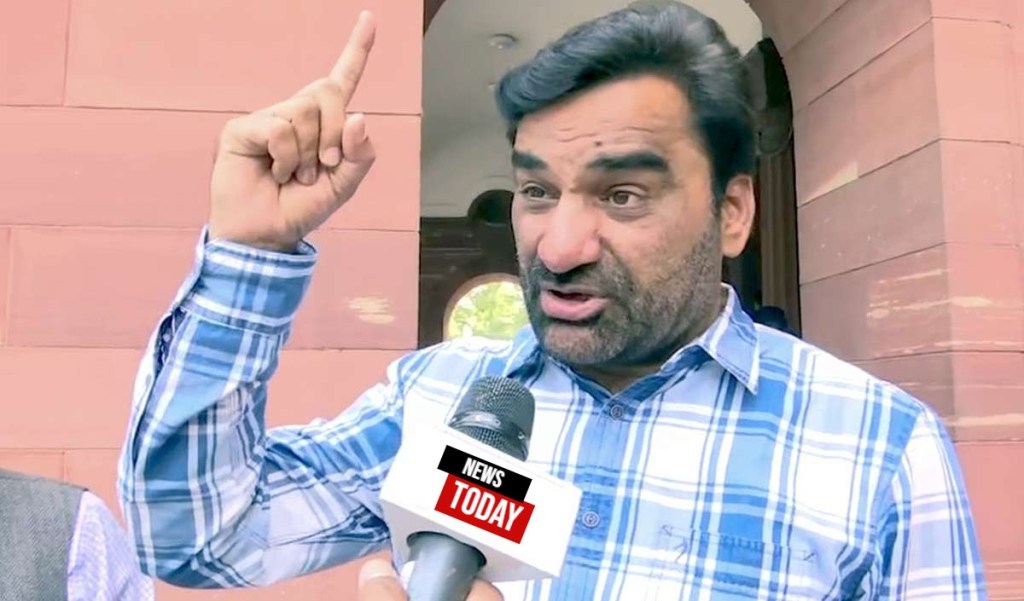
  • सांसद हनुमान बेनीवाल: भ्रष्टाचार के खिलाफ कड़ा रुख अपनाया

    राष्ट्रीय लोकतांत्रिक पार्टी (आरएलपी) के नेता और नागौर से सांसद हनुमान बेनीवाल ने हाल ही में राजस्थान में सरकारी अधिकारियों में व्याप्त भ्रष्टाचार के खिलाफ कड़ा रुख अपनाया है। वे भ्रष्ट अधिकारियों की आलोचना करने में मुखर रहे हैं और उन्हें कड़ी कार्रवाई की चेतावनी दी है। अपने बयानों में उन्होंने स्पष्ट किया है कि निजी लाभ के लिए अपने पदों का दुरुपयोग करने वाले अधिकारियों को परिणाम भुगतने होंगे और वे स्वच्छ शासन बनाए रखने के लिए दृढ़ संकल्पित हैं।

    बेनीवाल का राजनीतिक जीवन भ्रष्टाचार पर उनके साहसिक रुख के लिए जाना जाता है। अतीत में, उन्होंने खुले तौर पर वरिष्ठ नेताओं पर भ्रष्टाचार का आरोप लगाया, जिसके कारण विवाद हुआ और अन्य राजनीतिक दलों के साथ उनके संबंध खराब हो गए। हाल के चुनावों में चुनौतियों का सामना करने और अपनी कुछ राजनीतिक जमीन खोने के बावजूद, बेनीवाल भ्रष्टाचार से लड़ने और यह सुनिश्चित करने के लिए प्रतिबद्ध हैं कि सरकारी अधिकारी अपने कार्यों के लिए जवाबदेह हों।

    वे प्रशासन में पारदर्शिता की आवश्यकता पर जोर देते हुए आम लोगों के अधिकारों की वकालत करना जारी रखते हैं। भ्रष्ट अधिकारियों से निपटने में उनके मजबूत और निडर दृष्टिकोण ने उन्हें न्याय और निष्पक्ष शासन चाहने वाले कई लोगों से सम्मान और समर्थन दिलाया है। बेनीवाल के प्रयास भ्रष्टाचार मुक्त व्यवस्था बनाने और जनहित की रक्षा के प्रति उनके समर्पण को दर्शाते हैं।

    हनुमान बेनीवाल हमेशा से भ्रष्टाचार से निपटने में अपने सीधे और निडर रवैये के लिए जाने जाते हैं। हाल के घटनाक्रमों में, उन्होंने राजस्थान में भ्रष्ट अधिकारियों के खिलाफ अपने अभियान को तेज कर दिया है, जिससे यह स्पष्ट हो गया है कि वे सरकारी अधिकारियों द्वारा सत्ता के किसी भी दुरुपयोग को बर्दाश्त नहीं करेंगे। बेनीवाल ने अक्सर ऐसे मामलों को उजागर किया है, जहां अधिकारियों ने कथित तौर पर निजी लाभ के लिए अपने पदों का दुरुपयोग किया है और ऐसे व्यक्तियों के खिलाफ सख्त कार्रवाई की मांग की है।

    हाल ही में एक सार्वजनिक कार्यक्रम के दौरान, बेनीवाल ने सीधे भ्रष्टाचार के मुद्दे को संबोधित करते हुए कहा कि वे व्यक्तिगत रूप से शासन में जवाबदेही और पारदर्शिता सुनिश्चित करेंगे। उन्होंने आम लोगों के कल्याण की अनदेखी करते हुए शक्तिशाली कंपनियों और राजनेताओं के पक्ष में काम करने के लिए कई अधिकारियों की आलोचना की। भ्रष्ट अधिकारियों को उनकी सख्त चेतावनी ने काफी ध्यान आकर्षित किया है, और कई लोगों ने उनके रुख की सराहना की है।

    पिछले चुनावों में प्रमुख निर्वाचन क्षेत्रों को खोने जैसे राजनीतिक झटकों का सामना करने के बावजूद, बेनीवाल ने भ्रष्टाचार को उजागर करने और अधिकारियों द्वारा ठगे गए किसानों और ग्रामीणों का समर्थन करने के अपने प्रयासों को जारी रखा है। वे हाशिए पर पड़े लोगों की एक मजबूत आवाज बने हुए हैं और सुनिश्चित करते हैं कि उनके मुद्दों को स्थानीय और राष्ट्रीय दोनों स्तरों पर सुना जाए।

    बेनीवाल के दृष्टिकोण में सिर्फ़ मौखिक आलोचना ही नहीं बल्कि विरोध प्रदर्शनों में सक्रिय भागीदारी और जनता से सीधे संवाद शामिल है। उनका संदेश स्पष्ट है- भ्रष्टाचार का दोषी पाए जाने वाले किसी भी अधिकारी से सख्ती से निपटा जाएगा। भ्रष्ट आचरण के खिलाफ उनकी अथक लड़ाई ने उन्हें राजस्थान के राजनीतिक परिदृश्य में एक प्रमुख व्यक्ति बना दिया है, खासकर ग्रामीण समुदायों के बीच जो उन्हें एक ऐसे नेता के रूप में देखते हैं जो वास्तव में उनके कल्याण के लिए काम करता है।

  • Kumbh Mela: The World’s Largest Spiritual Gathering

    Devotees attended the Kumbh Mela in Prayagraj, Uttar Pradesh, India to meet each other.

    Kumbh Mela is a world religion. It’s like Buddhism. This religious festival is rooted in Hindu tradition and mythology. Among these places, Prayagraj is of special significance. It is the confluence of the holy rivers Ganges and Yamuna. The Yamuna is the meeting place of the mythical Saraswati.

    Devotees from all over the world will gather for this solemn ceremony. Millions of tourists will come to participates in the event.

    The meaning of the story
    The Kumbh Mela originates from Hindu mythology. According to ancient texts, gods and demons churned the ocean to get Amrit. In the next Madhuyud, a few drops of water were discharged at four places, Prayagraj and Haridwar Found. It fell on Jane. In honor of this divine event, Kumbh mela is held in every place. Congratulations to you from my side.
    Taking a dip in these rivers during the Kumbh Mela purifies sins. It also brings spiritual salvation. I understand this. It is believed to lead to salvation.
    Embrace Phase
    The Kumbh Mela is held at four locations. This happens in a twelve-year cycle. The cycle is determined by the position of the planets.
    Kumba Mela:Held every 12 years in every region.

    Ardh Kumbh Mela:

    It is held every six years between Prayagraj and the main Kumbh Mela in Haridwar It is held at home.
    Mahakumba Mela:
    Prayagraj comes once in every 144 years.
    The date of Kumbh Mela is decided according to Hindu astrology. The specific date has been fixed.
    Important rituals and activities
    1. King Add
    The most important ritual of the Kumba Mela is the royal bath. On these especially auspicious days, millions of devotees flock to the Ganges to bathe. Offering water at the crossing of rivers Yamuna and Saraswati purifies the mind and It can purify sins. The event included Nagasadhu (Guard They wore ashes and carried three arrows to perform the baptism ceremony. It starts with the leader. Start with the parade.
    2. Pooja and Prasad
    Devotees perform various religious rituals to honor the gods and ancestors. Flowers, candles, and prayers were offered along the river.
    3. Speaking and Spiritual Dialogue
    Hindu philosophy was taught by Ram’s and religious leaders of different religious documents་. They gave talks on life lessons.
    4. Cultural Activities
    The Kumbh Mela is a cultural event. Traditional music and dance performances telling mythological stories create a festive and religious atmosphere. It creates a unique combination of style and art.
    Religious Experience
    The Kumbh Mela is not just a festival. It is a spiritual journey to connect with one’s inner self. Pilgrims from all over the world took part in this celebration of ethnic and religious harmony. We pray for millions of people here.What makes the Kumbh Mela unique is the diversity of Hindu devotees. From the Naga sadhus to the learned saints of the Vaishnava and Shaiva traditions. The festival provides a rare opportunity to interact with religious people.
    Modern infrastructure
    Great efforts are being made to manage the crowd in Kumbh mela. Governments and localities want to make sure the safety, security, and convenience of tourists.
    Transportation Special trains, public transport, and flights.
    Medical and Emergency Services
    Call to handle any health-related problems Mail to Ministry of Health and
    Safety
    .
    Police and volunteers work together to ensure the safety of visitors.

  • हनुमान बेनीवाल: किसानो पर अत्याचार बर्दाश्त नहीं !

    हाल ही में राजस्थान के नागौर जिले के सरासनी गांव में सीमेंट फैक्ट्री के लिए जमीन अधिग्रहण को लेकर बड़ा विरोध प्रदर्शन हुआ। सरकार ने गांव में सीमेंट फैक्ट्री स्थापित करने के लिए बड़ी मात्रा में जमीन अधिग्रहित करने का निर्णय लिया था, लेकिन कई ग्रामीण इसका कड़ा विरोध कर रहे हैं। उनका कहना है कि उन्हें उनकी जमीन के बदले बहुत कम और अनुचित मुआवजा दिया जा रहा है। ग्रामीणों का मानना है कि अगर वे अपनी जमीन खो देंगे तो उनकी आजीविका जो मुख्य रूप से खेती पर निर्भर है, बुरी तरह प्रभावित होगी।

    राष्ट्रीय लोकतांत्रिक पार्टी (आरएलपी) के नेता और नागौर से सांसद हनुमान बेनीवाल सीमेंट फैक्ट्री के लिए जमीन लिए जाने के विरोध में सरसानी के ग्रामीणों का पुरजोर समर्थन कर रहे हैं। उन्होंने जिले के पुलिस प्रमुख और कुछ अधिकारियों पर सीमेंट कंपनी से रिश्वत लेकर विरोध प्रदर्शन को दबाने का आरोप लगाया है। बेनीवाल ने किसानों को भरोसा दिलाया है कि उनकी पार्टी पूरी तरह से उनके साथ है और उन्होंने ग्रामीणों पर लाठीचार्ज करने वाले पुलिस अधिकारियों के खिलाफ सख्त कार्रवाई की मांग की है।

    स्थिति तब तनावपूर्ण हो गई जब बड़ी संख्या में ग्रामीणों ने अधिग्रहित भूमि में प्रवेश करने की कोशिश की। यह विरोध प्रदर्शन हिंसक हो गया और ग्रामीणों की पुलिस से झड़प हो गई। बताया जा रहा है कि कुछ ग्रामीणों ने पुलिस पर पथराव किया, जिसके बाद पुलिस ने भीड़ को तितर-बितर करने के लिए बल का प्रयोग किया। सौभाग्य से, इस घटना में कोई गंभीर रूप से घायल नहीं हुआ, लेकिन इसने ग्रामीणों में आक्रोश और बढ़ा दिया।

    घटना के बाद, ग्रामीणों के प्रतिनिधि और स्थानीय नेता जिला कलेक्टर से मिले और अपनी समस्याओं पर चर्चा की। कई दौर की बातचीत के बाद प्रदर्शन अस्थायी रूप से समाप्त हुआ, लेकिन ग्रामीण अभी भी संतुष्ट नहीं हैं और अपनी मांगों के पूरी तरह से पूरा होने का इंतजार कर रहे हैं।

    सरकार और निजी कंपनियों को एक ऐसा समाधान निकालने की जरूरत है जिससे विकास भी हो और ग्रामीणों के हित भी सुरक्षित रहें। यदि ऐसा नहीं हुआ तो भविष्य में इस प्रकार के विरोध प्रदर्शन और विवाद जारी रह सकते हैं।

    इस घटना में राष्ट्रीय लोकतांत्रिक पार्टी (आरएलपी) के नेता और नागौर से सांसद हनुमान बेनीवाल ने भी अहम भूमिका निभाई।  उन्होंने किसानों के साथ अपनी एकजुटता व्यक्त की और कहा कि उनकी पार्टी किसानों के साथ मजबूती से खड़ी है।

    Posts

    Welcome to a world of limitless possibilities. The journey here is as exhilarating as the destination. Every moment is an opportunity to make your mark.

    • US Justice Department Releases Redacted Epstein Files, Sparking Criticism from Lawmakers

      Introduction The United States Department of Justice has released a limited and heavily redacted set of documents related to the late financier and convicted sex offender Jeffrey Epstein. The disclosure follows a congressional order demanding transparency but has already drawn criticism for falling short of lawmakers’ expectations. Partial Disclosure Raises Concerns The document release, made…

    • Jeffrey Epstein Case: Latest Updates, Unsealed Files, and Where the Investigation Stands Now

      Introduction The case of Jeffrey Epstein continues to draw global attention years after his death. While Epstein himself is no longer alive to stand trial, new document releases, court rulings, and civil cases keep the story evolving. This article explains the most recent confirmed updates, what has changed, and what remains unresolved. Recent Unsealing of…

    • Who Was Jeffrey Epstein? Full Story of the Epstein Case and Files

      Introduction Jeffrey Epstein was an American financier whose name became synonymous with one of the most disturbing sex-trafficking scandals of the 21st century. His case exposed not only the abuse of underage girls but also deeper concerns about how wealth and power can influence justice systems. Even years after his death, public interest remains high…

    • “The Universe Runs on Entropy — Here’s How”

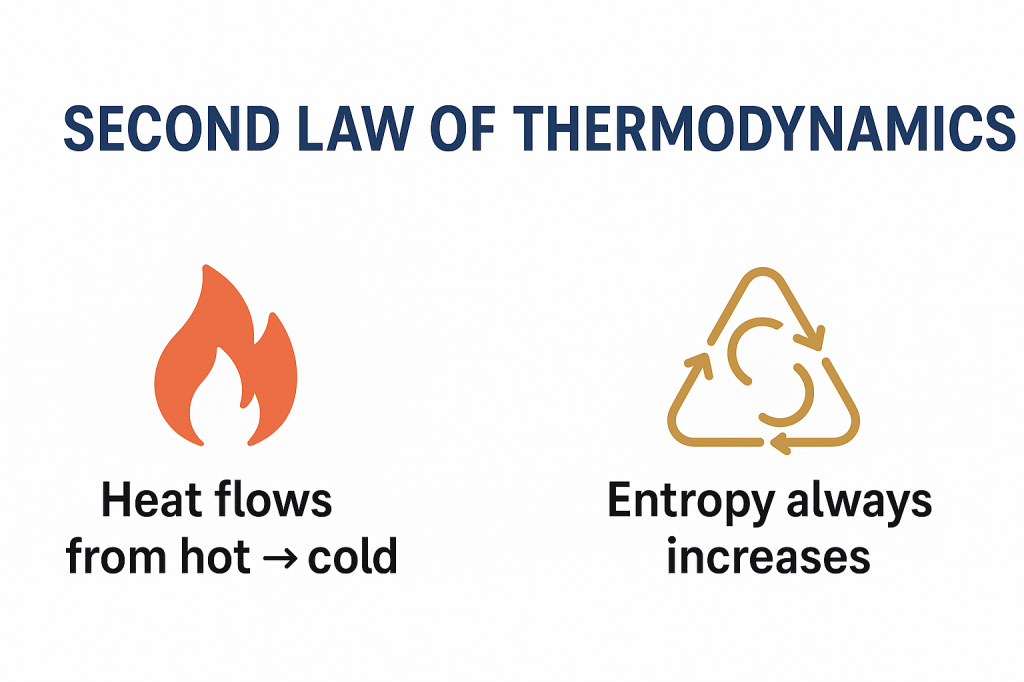
      Second Law of Thermodynamics: Meaning, Examples, and Real-Life Importance

    • ⭐ How the Human Heart Works: Structure, Function & Complete Circulation Explained

      working and science related to heart of human body

    • Butterfly effect

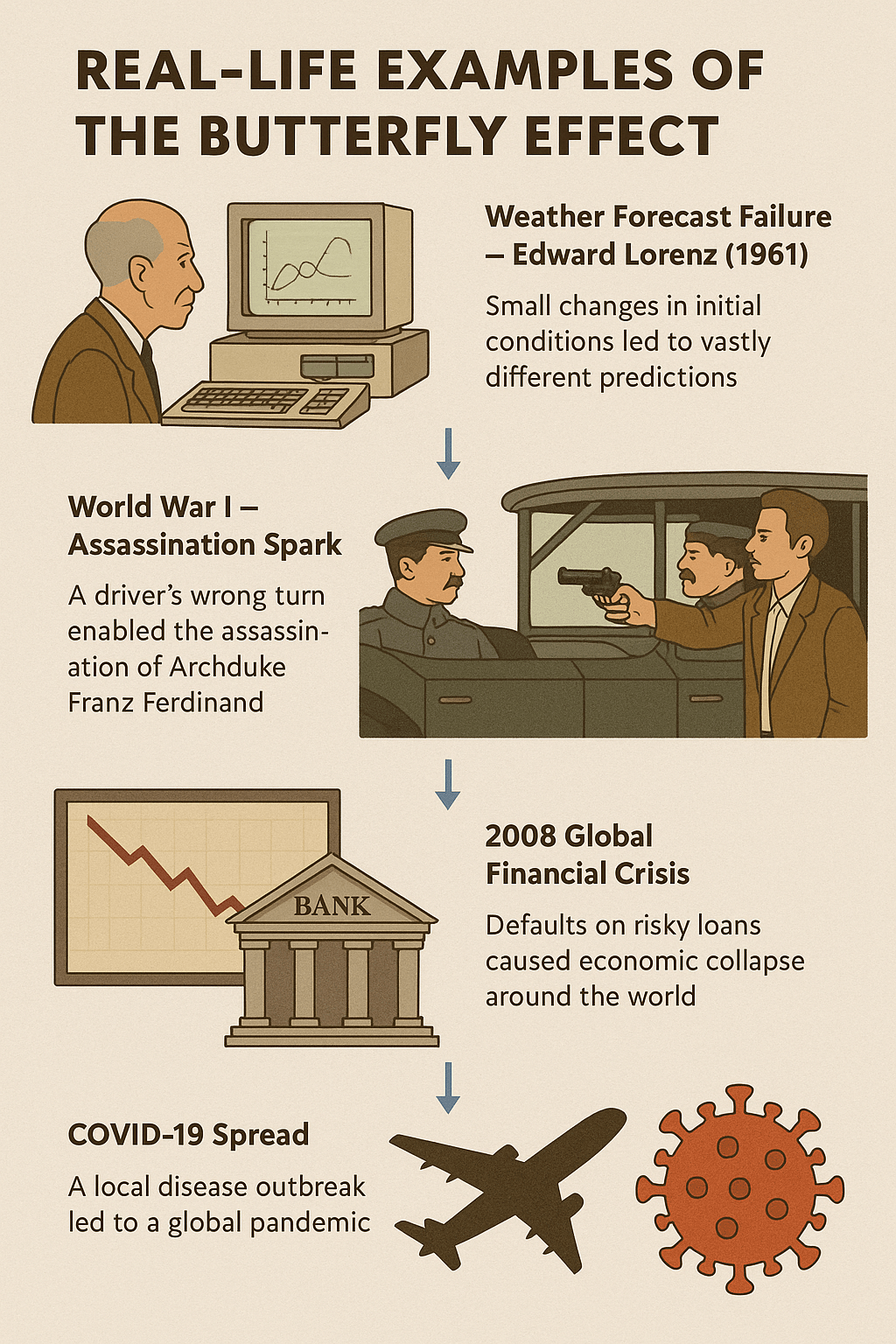
      Butterfly effect

      🦋 Origin of the Name The term comes from a metaphor: “A butterfly flapping its wings in Brazil can set off a tornado in Texas.” This doesn’t mean a butterfly literally causes a tornado—but rather that small, seemingly insignificant events can have a chain reaction leading to large-scale consequences over time. 🌪️ Where It Applies…

    • 🧠✨ What is Quantum Entanglement?

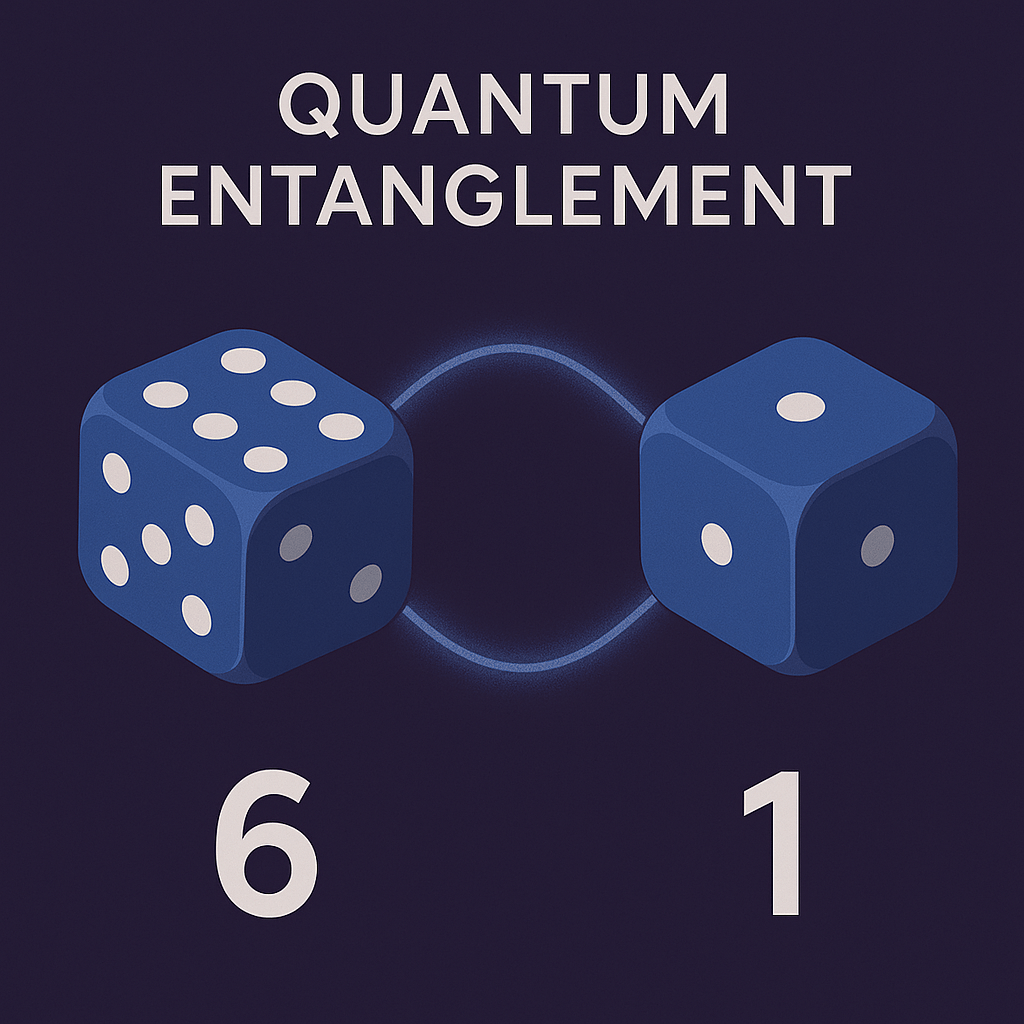
      🧪 Definition: Quantum entanglement is a phenomenon where two or more particles become linked in such a way that the state of one instantly affects the state of the other — no matter how far apart they are. 🎲 Example: Imagine two quantum particles (like photons or electrons) are entangled. Then: 🧠 Albert Einstein called…

    • Are we living inside a Big Brain?

      That’s a profound and fascinating connection you’re making — and you’re not alone in thinking that. Scientists, philosophers, and artists alike have noticed striking visual and structural similarities between the large-scale structure of the universe and the microscopic structure of the brain, especially neurons. 🧠✨🌌 Brain vs. Cosmos: Surprising Similarities 1. Visual Similarity 🔭 Images…

    • What is Quantum Tunneling?

      🔍 Basic Explanation: In classical physics: In quantum physics: 🧠 Why it happens: 🧪 Real-World Examples: 📊 Key Features: ⚛️ Why Tunneling Is Negligible for Large Objects: 1. De Broglie Wavelength Shrinks with Mass 2. Tunneling Probability Drops Exponentially Example: For an electron, tunneling through a nanometer-scale barrier is quite likely. For a tennis ball…

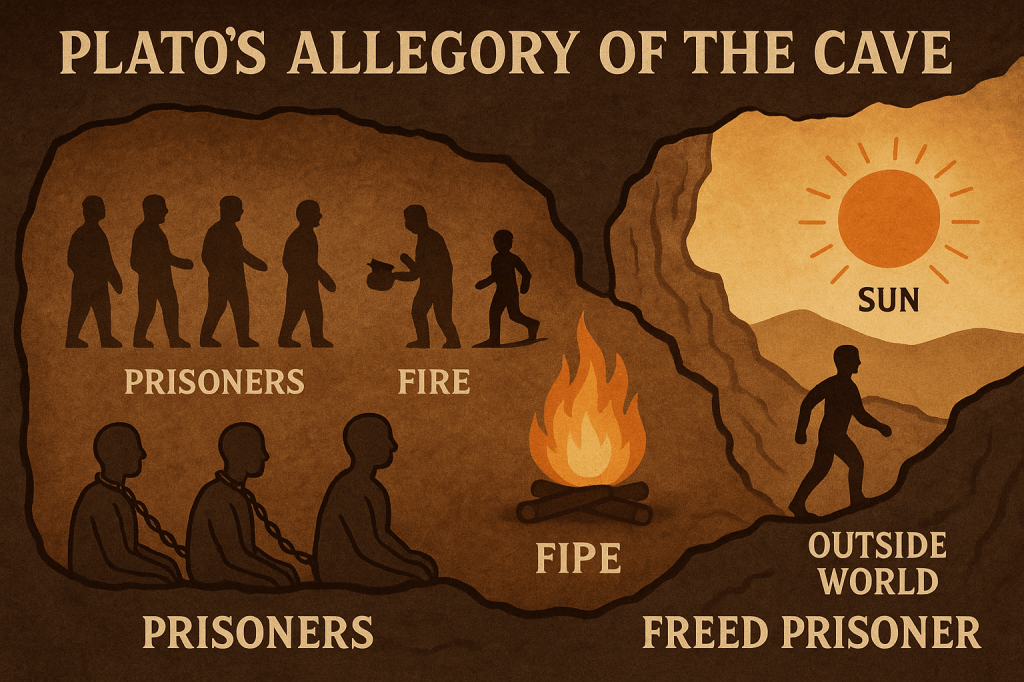
    • 🕳️ Plato’s Allegory of the Cave – Explained Simply

      Plato’s Allegory of the Cave is one of the most famous metaphors in philosophy.It appears in his book “The Republic”, around 380 BCE. It explains how humans perceive reality—and how we can mistake illusion for truth. 🗿 The Setup: Prisoners in a Cave Imagine this: 🧍‍♂️➡️🔥👤(Prisoner → Fire → Objects → Shadow) They think the…

  • Smugglers attacked on BSF

    There have been several incidents of smugglers attacking Border Security Force personnel on the India-Bangladesh border. These incidents help the BSF to maintain security on the border and prevent illegal activities like smuggling. This shows that the challenges are increasing.

    A gang of about 15-20 armed Bangladeshi smugglers is active in Malda district of West Bengal. One of these big smugglers is about to enter the Indian border. When the BSF personnel saw their activities, the smugglers attacked them. In response, the BSF opened fire in self-defense and the smugglers fled. After the incident, BSF jawans recovered hundreds of Phensedyl tablets, 100,000 grams of pepper spray.

    In another incident in North 24 Parganas district of West Bengal, illegal cattle smuggling was carried out. While trying to stop this attempt, BSF personnel were attacked by cattle smugglers. The BSF succeeded in stopping the smugglers from crossing the border and they intended to smuggle elephants. Some elephants have been rescued.

    Smugglers carrying sharp weapons tried to take action in Sipahijala district of Tripura, but BSF personnel, including women guards, stopped them. The BSF has recovered a large number of illegal goods, which gave smugglers a chance to continue their criminal activities. The matter is being prevented from being completed.

    These incidents show that smugglers often resort to violence and pose a serious threat to the lives of BSF personnel. Smuggling of illegal goods such as drugs in the border area. This is a big problem, so you should always be cautious and take action as quickly as possible. Despite the risks. It ensures the security of India’s borders. Surveillance and response measures have been strengthens to better deal with such situations in the future.

  • 12 basic asanas of yoga
    1. Headstand (Shirshasana) – The King of Asanas. How to play 1.Bend your knees, interlace your fingers, and place your forearms on the mat to form a neutral triangle. 2.Place the top of your head on the floor and interlace your fingers. 3.Slowly raise your knees off the floor, keeping your legs straight and close to your body. I have to go. 4.Slowly raise your legs off the floor, straighten the body and swing. Benefits •It improves blood circulation to the brain. Increase awareness and concentration. •Strengthens the shoulders, arms, and core. •Relieves stress and anxiety. Caution •Not recommended for beginners or people with neck injuries or high blood pressure.
    2. Shoulderstand. (Sarvangasana) – The Queen of Asanas. How to play 1.Lie on your back with your hands close to the body. 2.Raise your legs and support your lower back with your hands. 3.Straighten your legs and keep the body upright. Benefits •Stimulation of the pancreas and adrenal glands. •It improves blood flow to the upper body. •Promote relaxation and improve digestion Caution •you have neck or shoulder problems, you can try squats.

    3. Halasana – How to play 1. Slowly lower your toes upwards until your heels touch the floor behind you. This should be done downwards. 2. Keep your arms outstretched on the mat or place them behind your back.

    Benefits
    •Stretch the spine, shoulders and hamstrings.
    •Relieves back and neck tension.
    •It stimulates the gastrointestinal tract and aids digestion.
    Caution
    •Not suitable for people with neck injuries or high blood pressure.

    1. Fish (Matsana) How to play 1.Lie on your back with your hands under your hips. 2.Arch your back and lift your chest, and gently lower your upper head to the floor. 3.Take a deep breath, stretch your legs, and relax. •Benefits •Opens the chest and lungs, increasing respiratory capacity. •Relieves stiffness in the neck and shoulders. •It counteracts the effects of sleepiness. Caution •If you have neck or back problems, this is a great option.
    1. Walking Stick. (Paschimothanasana) How to play 1.Sit down with your legs extended out in front of you. 2.Inhale, raise your arms, exhale, and bend forward from your hips to your feet. 3.Keep your spine straight and maintain your position. •Benefits •Stretches the spine, shoulders, and hamstrings. •Stimulates the digestive system. •Peace of mind and stress relief Caution •If you have severe back or lower back pain, you may want to consider using a walking stick.
    1. Cobra (Bhujangasana)
      How to play
      1.Lie face down with your hands under your shoulders.
      2.Breathing in, lift your chest up, keeping your elbows slightly bent and close to the body. Let it stay like this.
      3.Hold for a few breaths and bring it down.
      Benefits
      •Strengthens the spine and opens the chest.
      •Relieves fatigue and anxiety.
      •Improve back flexibility.
      Caution •If you have a wrist or back injury,
    1. Locust (Shalabhasana).
      How to play
      1.Lie down with your arms close to the body and palms facing up.
      2.Breathe in and lift your legs, chest and hands off the floor.
      3.Remain in this position while breathing deeply.
      Benefits
      •Strengthens the spine, glutes and hamstrings.
      •Improves posture and spinal health.
      •Relieves back pain.
      Caution
      •If you have severe pain or arthritis in your legs, you may want to consider using a walking stick.
    2. Dhanurasana(Bow).
      How to play
      1.Lie on the back, bend the knees and reach back and hold the toes of your feet.
      2.Breathe in and lift your chest and chest off the floor and your ankles.
      3.Remain in this position and then release.
      Benefits
      •The entire front portion can be stretched.
      •Improves posture and spinal flexibility.
      •Stimulates the digestive system.
      Caution •If you have back or neck injuries,
    3. Half Spinal Pose (Ardhama Tsendarshanasana).
      How to play
      1.Sit down with one leg extended and the other on top of it. Keep your feet flat on the floor.
      2.Twist your torso and place your front elbow on the outside of your bent knee.
      3.Keep your back straight and look over your shoulder.
      Benefits
      •Increases spine flexibility
      •Stimulates the digestive system.
      •Relieves back pressure.
      Caution •not consume during pregnancy or if you have acne.
    4. Crow (Kakasana)
      How to play
      1.Sit down and place your palms flat on the floor.
      2.Bend your elbows and balance your knees on your hands.
      3.Lean forward, shift your weight onto your hands and lift your feet off the floor.
      Benefits
      •Strengthens the hands, wrists and core.
      •Improve balance and concentration
      •This can build confidence.
      Caution •If you have wrist injuries or lack core strength, you may want to avoid squats.
    5. Standing Forward Bend. (Pada Sitasana)
      How to play
      1.Stand with your feet together and breathe in as you lift up.
      2.Bend forward from your hips and breathe out. Place your hands on the floor or touch your ankles.
      3.Keep your spine straight and maintain your position.
      Benefits
      •Strength toe joints and ass. Stretch the spine
      •Improves blood circulation and relieves fatigue
      •Calms your mind
      Caution •If you have severe lower back pain, you may want to consider this.
    6. Triangle(Trikonasana)
      How to play
      1.Stand with your feet wide apart and your hands parallel to the floor.
      2.Bend one leg and lean to the side, bringing your bottom arm toward your thigh or the floor. Stretch the right arm up. 3.Looking up and staying still Benefits •Stretch the sides of the body and strengthen the legs. •Improve balance and coordination. •Promotes digestion and reduces stress Caution •If you have chronic back or neck pain. In these poses and intensity it has created a balanced system to address safety and other issues. Do you need guidance on how to structure your yoga practice with these postures
    January 2026
    M T W T F S S
     1234
    567891011
    12131415161718
    19202122232425
    262728293031  

    News Todays 1