News Todays 1
The latest news of the day
recent posts
- US Justice Department Releases Redacted Epstein Files, Sparking Criticism from Lawmakers
- Jeffrey Epstein Case: Latest Updates, Unsealed Files, and Where the Investigation Stands Now
- Who Was Jeffrey Epstein? Full Story of the Epstein Case and Files
- “The Universe Runs on Entropy — Here’s How”
- ⭐ How the Human Heart Works: Structure, Function & Complete Circulation Explained
Category: Education
-
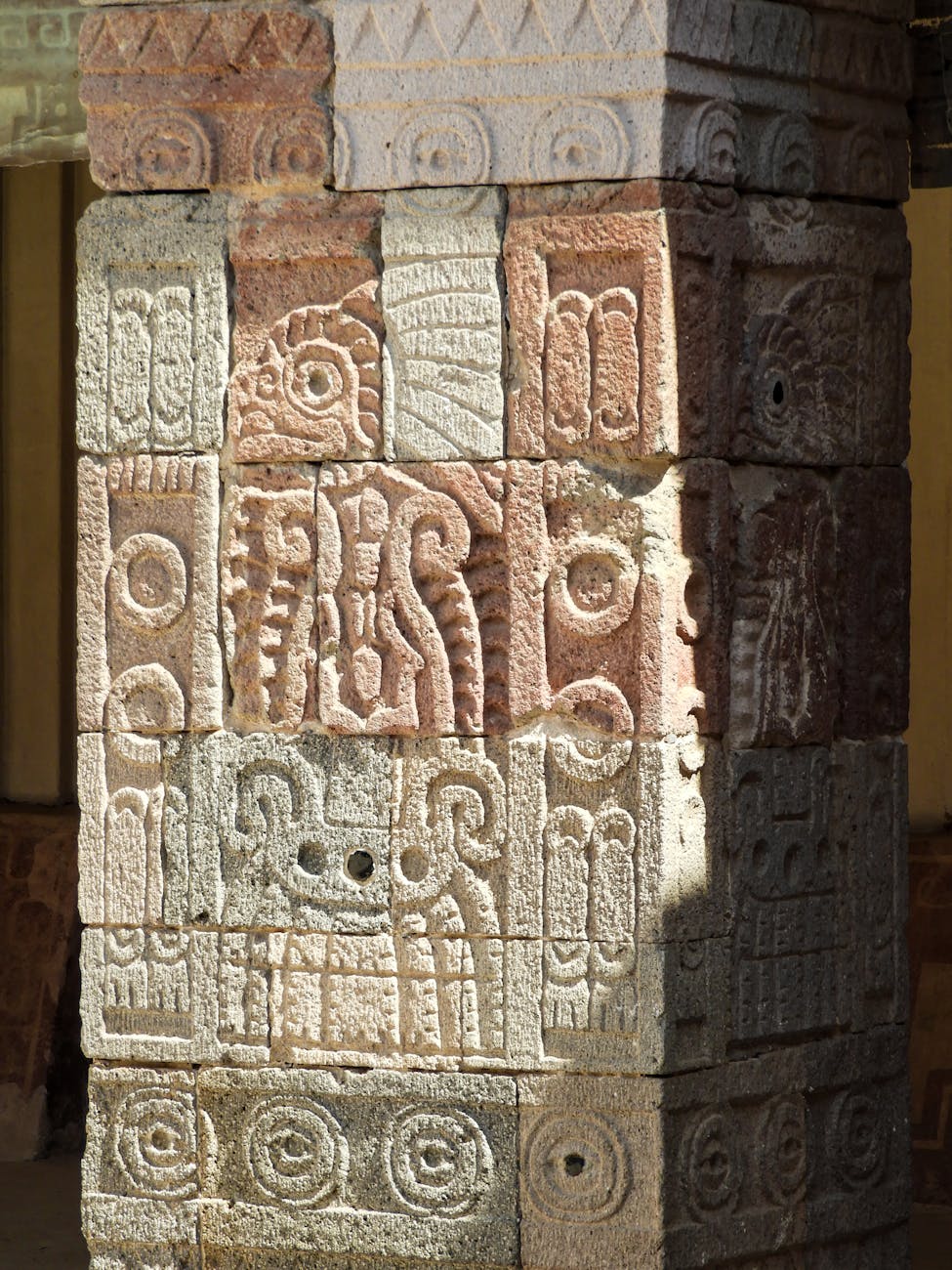
The Antikythera Mechanism (150–100 BCE) proves ancient civilizations had gear-based computing. But could the Egyptians—2,000 years earlier—have built something similar? From star-aligned pyramids to cryptic temple machinery, here’s the explosive debate over ancient Egypt’s lost “computers.” 1. The Pyramids: A Stone Age Supercomputer? 🔺 Mathematical Precision Beyond Bronze Age Tools 🌌 A Stargazing Machine? Counterargument…
-

Quantum dots (QDs), nanoscale semiconductor particles just 2–10 nanometers wide, are emerging as a game-changer in displays, medicine, solar energy, and quantum computing. These “artificial atoms” harness quantum mechanics to emit precise colors, detect diseases, and even revolutionize computing. Here’s how they work—and why they’re about to go mainstream. 1. What Are Quantum Dots? ⚛️…
-
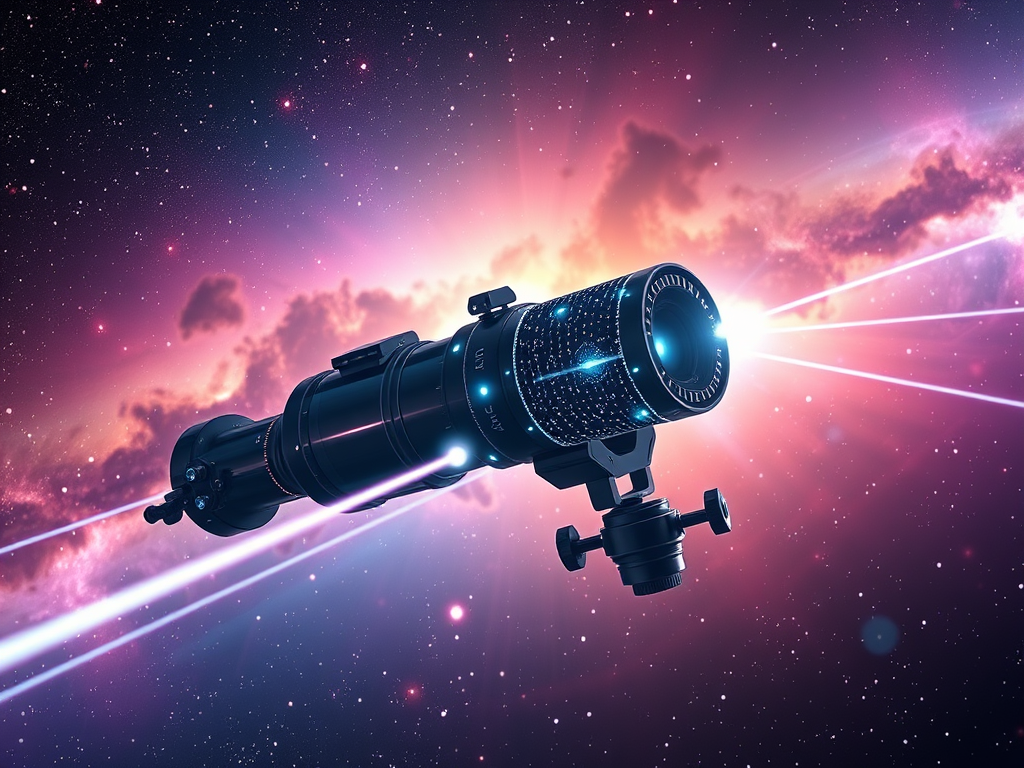
Quantum dots (QDs), nanoscale semiconductor crystals, are no longer confined to Earthly applications. From ultra-sensitive space telescopes to next-gen propulsion systems, these tiny “artificial atoms” are poised to transform space exploration, astronomy, and satellite technology. Here’s how NASA, ESA, and private space firms are harnessing QDs for the final frontier. 1. Quantum Dots in Space…
-
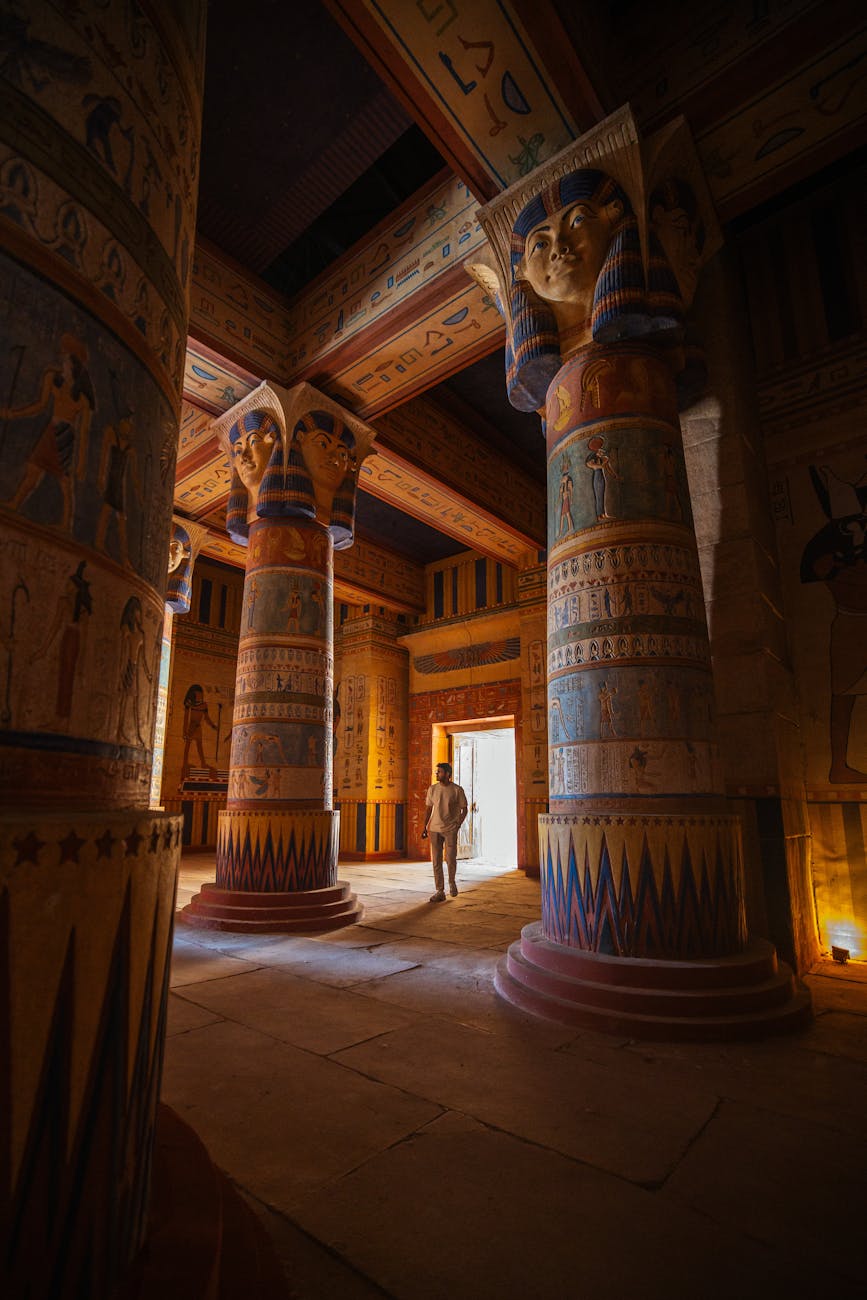
While nanotechnology seems like a modern breakthrough, evidence suggests that Ancient Egyptians may have unwittingly used nanoparticles in their art, medicine, and even mummification. From eternal pigments to antimicrobial coatings, here’s how one of history’s greatest civilization could have been nano pioneers—4,000 years before the term was coined. 1. The Mystery of Egyptian Blue: The…
-
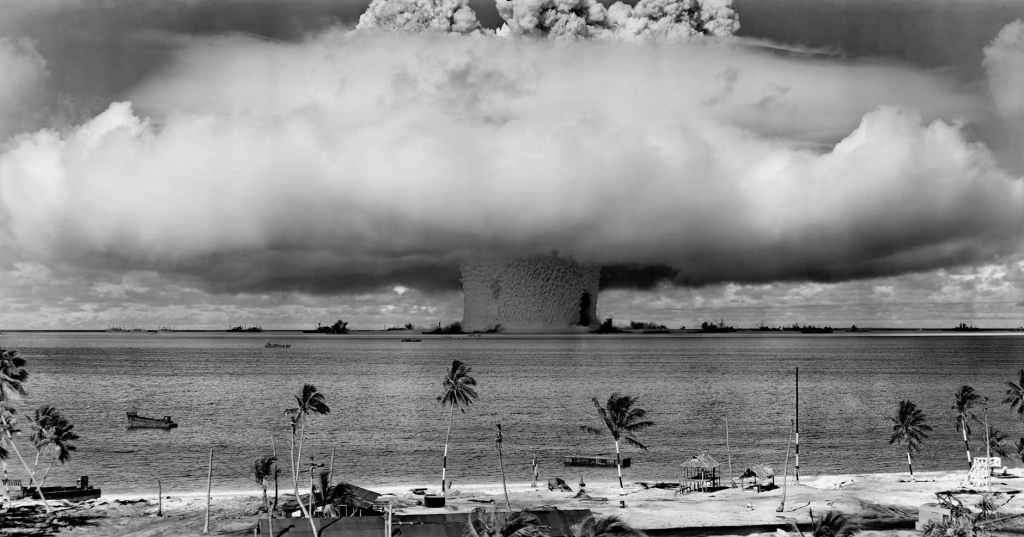
[New York] – As the world races to decarbonize energy, two nuclear processes—fusion and fission—are making headlines. One powers today’s reactors (and atomic bombs), while the other promises limitless clean energy (but remains elusive). Here’s the ultimate breakdown of how they compare and why both are critical to humanity’s future. 1. Nuclear Fission: The Power…
-

While most quantum computing research focuses on qubits (binary 0/1 states), qudits (multilevel quantum systems with d > 2 states) promise exponential advantages—but face major roadblocks. Here’s where the field is falling short and what’s needed to unlock qudits’ full power. 1. Hardware Challenges: Building Qudits is Hard 🔧 Lack of Scalable Physical Platforms ⚡…
-

[New York] – Scientists and tech giants are making unprecedented strides in nanotechnology, manipulating matter at the atomic level to create groundbreaking solutions. From cancer-fighting nanobots to ultra-efficient solar cells, this invisible revolution is poised to disrupt trillion-dollar industries. Here’s what you need to know. 1. Medical Miracles: Nanobots Target Disease 💉 Cancer-Killing Nanorobots –…
-

this articles will tell you about the quantum computing and artificial intelligence roll in future
-

Artificial Intelligence (AI) is no longer a futuristic concept—it is already reshaping industries, economies, and daily life. As AI continues to evolve at an unprecedented pace, its future holds immense potential alongside significant challenges. This article explores the trajectory of AI, covering advancements in technology, societal impacts, ethical dilemmas, and the long-term possibilities of artificial…
-

PSAT/NMSQT Practice TestTime: 2 hours 45 minutesSections: Reading, Writing & Language, Math (No Calculator & Calculator) Section 1: Reading Test (60 minutes, 47 questions) Directions: Read each passage and answer questions based on content, rhetoric, and data interpretation. Passage 1: Literature (Fiction) Excerpt from “The Catcher in the Rye” (9 questions) Passage 2: Science (12…
 News Todays 1