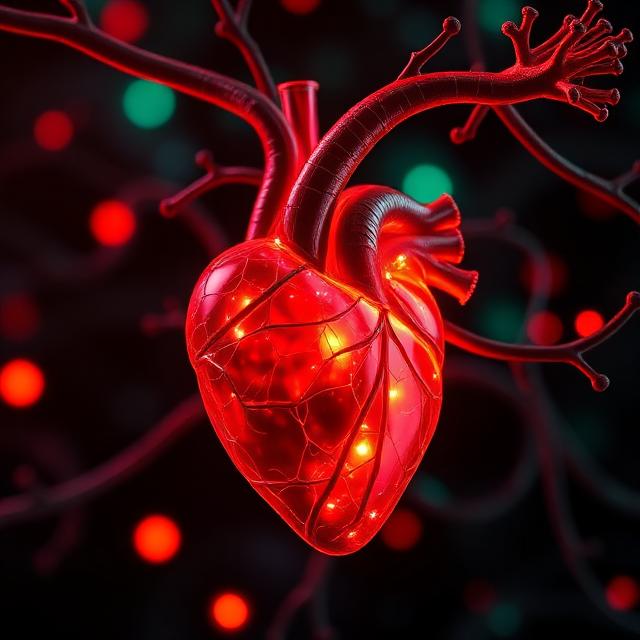
The human heart is one of the most advanced and hard-working organs in the body. From the moment we are born until our final breath, the heart never stops beating — pumping blood every second of every day to sustain life. Understanding how the heart works not only builds curiosity, but also encourages people to take better care of their cardiovascular health.
❤️ Where Is the Heart Located?
The heart is located in the center of the chest, slightly toward the left side, between the lungs. It is protected by the rib cage and surrounded by a thin protective membrane called the pericardium.
Despite being only the size of a closed fist, the heart pumps around 7,000–8,000 liters of blood per day.
🔬 Anatomy of the Heart
The heart has four chambers divided into two sides:
| Side | Upper Chamber | Lower Chamber |
|---|---|---|
| Right side | Right Atrium | Right Ventricle |
| Left side | Left Atrium | Left Ventricle |
Functional Purpose
- Right side of the heart handles oxygen-poor blood.
- Left side of the heart handles oxygen-rich blood.
The left ventricle has the strongest muscles because it pumps blood to the entire body.
🔁 How Blood Circulates Through the Heart — Full Guide
The heart controls two major circulation loops:
1️⃣ Pulmonary Circulation (Heart ↔ Lungs)
- Blood enters the Right Atrium
- Moves to the Right Ventricle
- Pumped to the lungs through the pulmonary artery
- Blood receives oxygen and releases carbon dioxide
2️⃣ Systemic Circulation (Heart ↔ Body)
- Oxygen-rich blood returns to the Left Atrium
- Moves to the Left Ventricle
- Forcefully pumped through the aorta
- Distributed to all organs and tissues of the body
This process ensures every cell gets oxygen and nutrients while waste products are removed.
⚡ How the Heart Beats — The Electrical System
The heart has a natural electrical conduction system that regulates heartbeat:
| Component | Function |
|---|---|
| SA Node (Sinoatrial Node) | Natural pacemaker — initiates heartbeat |
| AV Node (Atrioventricular Node) | Controls signal transfer to ventricles |
| Bundle of His & Purkinje Fibers | Spread signal to make ventricles contract |
A normal resting heart beats 60–100 times per minute.
During exercise or stress, the rate increases; during rest, it decreases.
🚪 Role of Valves in One-Way Blood Flow
The heart contains four valves that act like doors opening and closing at the right time:
| Valve | Location | Purpose |
|---|---|---|
| Tricuspid | Between right atrium & ventricle | Prevents backflow into right atrium |
| Pulmonary | Between right ventricle & pulmonary artery | Controls blood flow to lungs |
| Mitral | Between left atrium & ventricle | Prevents backflow into left atrium |
| Aortic | Between left ventricle & aorta | Controls blood flow to body |
Valve malfunction can lead to heart murmurs or improper circulation.
🌬 How the Heart and Lungs Work Together
The heart and lungs operate as a pair:
- Lungs add oxygen to the blood
- Heart distributes oxygenated blood to all organs
Without this coordination, cells would not receive the oxygen they need for survival.
🔥 The Heart’s Fuel Supply — Coronary Arteries
Even though the heart pumps blood, it needs blood for itself too.
It receives oxygen through coronary arteries.
If these arteries become blocked due to fat or cholesterol buildup:
- Blood supply to the heart decreases
- Heart muscle becomes damaged
- This results in a heart attack
🧠 Why the Heart Is Essential for Life
Blood pumped by the heart supports many vital functions:
- Delivers oxygen and nutrients to cells
- Removes carbon dioxide and waste products
- Helps repair tissues and fight infections
- Maintains body temperature
- Supports hormonal and immune system functioning
A healthy heart = a healthy body.
💙 Ways to Keep the Heart Healthy
Small daily habits can protect the heart long-term:
| Do This | Avoid This |
|---|---|
| Eat fruits, vegetables, whole grains | Excess salt, sugar, and junk food |
| Exercise 30–45 minutes daily | Smoking and heavy alcohol use |
| Stay hydrated | Stress without relaxation |
| Sleep 7–8 hours | Sitting inactive for long hours |
Regular health check-ups after age 30 help detect early risks.
🩺 Common Heart Problems
The most widely seen cardiac conditions include:
- High Blood Pressure (Hypertension)
- Coronary Artery Disease
- Heart Attack
- Heart Failure
- Arrhythmia (irregular heartbeat)
- Valve Disorders
Most of these are preventable with a healthy lifestyle and early diagnosis.
🧾 Final Thoughts
The heart is an extraordinary organ — a powerful pump with perfect electrical and mechanical coordination. It works tirelessly from birth to death, supplying life with every beat.
Learning how the heart works helps us realize the importance of healthy habits, regular exercise, stress control, and medical check-ups to protect this incredible organ.
A strong heart leads to a strong life.
 News Todays 1
Leave a comment