Introduction
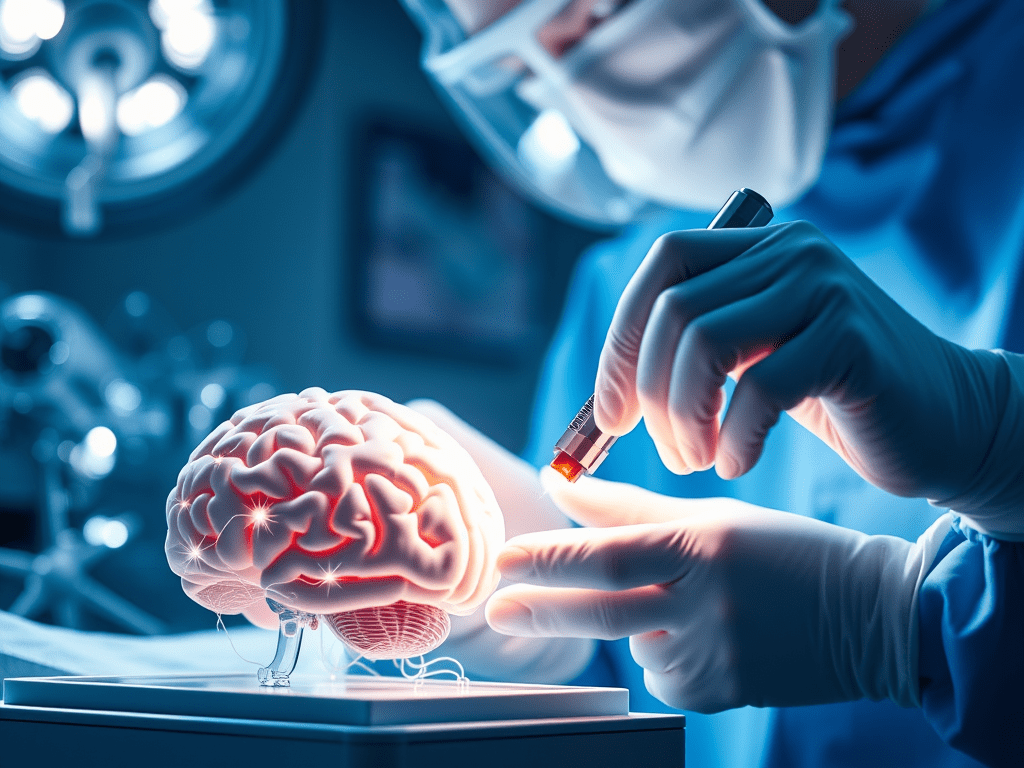
Nanotechnology is transforming brain surgery, enabling precision-targeted treatments, minimally invasive procedures, and enhanced recovery for conditions like tumors, epilepsy, and neurodegenerative diseases. By leveraging nanoscale materials and devices, surgeons can now operate with unprecedented accuracy while minimizing damage to healthy brain tissue.
This blog explores the key applications, breakthroughs, and future potential of nanotechnology in neurosurgery.
How Nanotech Enhances Brain Surgery
1. Nanoparticle-Assisted Tumor Removal
- Targeted Drug Delivery:
- Magnetic nanoparticles (e.g., iron oxide) deliver chemotherapy directly to brain tumors (glioblastoma) while sparing healthy cells.
- Example: NanoTherm therapy uses nanoparticles heated by magnetic fields to destroy tumors [1].
- Fluorescent Nanoparticles:
- Quantum dots highlight tumor margins during surgery for precise excision.
2. Nanorobotics & Microsurgery
- DNA Nanobots:
- Harvard-developed nanobots can seek and destroy cancer cells or clear clots [2].
- Magnetic Nanoswimmers:
- ETH Zurich’s helical microrobots navigate blood vessels to deliver drugs or repair aneurysms.
3. Neural Regeneration & Repair
- Nanofiber Scaffolds:
- Graphene/carbon nanofibers guide nerve regrowth after trauma (e.g., spinal cord injuries).
- Nanoparticle-Mediated Gene Therapy:
- CRISPR-loaded nanoparticles edit genes to treat Parkinson’s/Alzheimer’s [3].
4. Minimally Invasive Monitoring
- Nanosensors:
- Real-time detection of neurotransmitters, pressure, or pH (e.g., for stroke prevention).
- Neural Dust:
- UC Berkeley’s ultrasmall sensors monitor brain activity wirelessly [4].
Breakthrough Procedures Using Nanotech
🔹 Focused Ultrasound + Nanoparticles – Noninvasive blood-brain barrier opening for drug delivery.
🔹 Nano-Enhanced Deep Brain Stimulation (DBS) – More precise electrode placement for Parkinson’s.
🔹 AI + Nanosurgery – Autonomous nanobots guided by AI for micro-scale repairs.
Future of Nanotech in Neurosurgery
🔸 Self-Assembling Nanostents – Prevent strokes by automatically repairing vessels.
🔸 Neuroprosthetics with Nanowires – Restore vision/movement via brain-computer interfaces.
🔸 Preventive Nanodiagnostics – Detect tumors/epilepsy foci before symptoms appear.
Challenges & Risks
⚠ Biocompatibility – Long-term effects of nanoparticles in the brain.
⚠ Ethical Concerns – AI-controlled nanobots & cognitive enhancement.
⚠ Regulatory Hurdles – FDA approval for nano-neuro devices.
Conclusion
Nanotechnology is redefining brain surgery, making it safer, smarter, and more effective. From tumor-zapping nanoparticles to nerve-regrowing scaffolds, these innovations promise a future where brain diseases are treatable at the molecular level.
Want a deep dive into nanobots for stroke treatment? Ask below! 🧠⚡
 News Todays 1
Leave a comment