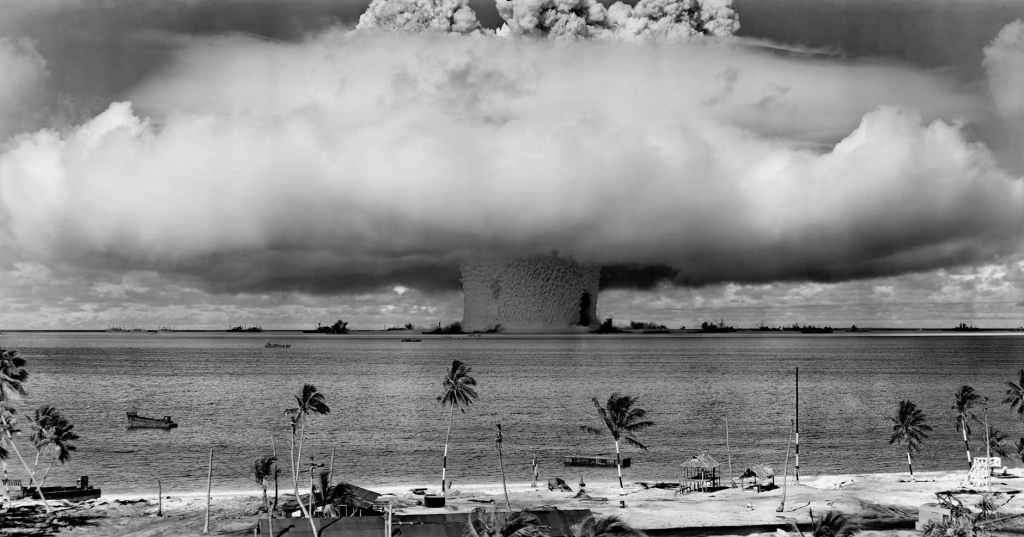
[New York] – As the world races to decarbonize energy, two nuclear processes—fusion and fission—are making headlines. One powers today’s reactors (and atomic bombs), while the other promises limitless clean energy (but remains elusive). Here’s the ultimate breakdown of how they compare and why both are critical to humanity’s future.
1. Nuclear Fission: The Power (and Problems) of Splitting Atoms
⚛️ How It Works
- Heavy atoms (like Uranium-235) are split by neutron bombardment, releasing heat + more neutrons (chain reaction).
- Used in all 440 nuclear reactors worldwide (10% of global electricity).
✅ Pros
- Mature tech: Operating since the 1950s.
- Zero CO₂ during operation (but mining/enrichment emits some).
❌ Cons
- Radioactive waste (must be stored for millennia).
- Meltdown risks (Chernobyl, Fukushima).
- Weapons proliferation (enriched uranium = bomb fuel).
🔋 Latest Advances
- Small Modular Reactors (SMRs): Safer, scalable fission (NuScale, Rolls-Royce pushing deployments by 2030).
- Molten Salt Reactors: Use liquid fuel (safer, less waste).
2. Nuclear Fusion: The Sun’s Power on Earth (Almost)
☀️ How It Works
- Light atoms (Deuterium & Tritium) fuse under extreme heat/pressure, releasing 4x more energy than fission (no chain reaction).
- Powers stars—including our sun.
✅ Pros
- No long-lived waste: Byproduct is inert helium.
- Inherently safe: No meltdowns (reaction stops if containment fails).
- Fuel is abundant: Deuterium from seawater; Tritium bred from Lithium.
❌ Cons
- Not yet viable: Requires 150 million °C (10x hotter than the sun’s core!).
- Energy input > output (so far).
🚀 Latest Breakthroughs
- 2022 NIF Milestone: Lawrence Livermore Lab achieved net energy gain (3.15 MJ out vs. 2.05 MJ in).
- ITER Tokamak: The $22B int’l project aims for 10x energy gain by 2035.
- Private Startups: Commonwealth Fusion (SPARC reactor), TAE Technologies, and Helion racing for commercialization.
3. Head-to-Head: Key Differences
| Factor | Fission | Fusion |
|---|---|---|
| Energy Output | High (but less than fusion) | Extreme (4x fission per kg fuel) |
| Waste | Radioactive for 100,000+ years | Low-level, short-lived |
| Safety | Meltdown/weaponization risks | No meltdowns; hard to weaponize |
| Tech Readiness | Operational since 1954 | Experimental (maybe 2050 for grids) |
| Fuel Cost | Uranium = $130/kg | Deuterium = ~$1/gram (sea water) |
4. The Future: Fission Now, Fusion Later?
🔹 Fission’s Role: SMRs and Gen IV reactors could bridge the gap until fusion matures.
🔹 Fusion’s Promise: If solved, it could supply baseload power without emissions or fuel limits.
🔹 Wild Card: Helion’s pulsed fusion claims it’ll hit net electricity by 2028—skeptics await proof.
Expert Quote
“Fusion is the energy of the future… and always will be unless we double down now.”
🚀 Want More Energy Tech Insights?
Follow @NewsTodays1 for updates on ITER’s progress, SMR approvals, and fusion startup drama.
 News Todays 1
Leave a comment