
The Most Advanced Ancient Civilizations: A Comparative Analysis
Ancient civilizations laid the foundation for human progress, each contributing uniquely to technology, governance, culture, and science. Determining which civilization was the “most advanced” depends on the criteria used—be it technological innovation, cultural influence, or lasting legacy. This exploration compares several of the most prominent ancient civilizations. It highlights their achievements. It also examines their interconnections and enduring impacts on the modern world.
Key Civilizations and Their Achievements
1. Ancient Egypt (c. 3100 BCE – 30 BCE)
- Achievements:
- Monumental Architecture: The Great Pyramid of Giza is one of the Seven Wonders of the Ancient World. It showcases advanced engineering. It also displays profound mathematics (Lehner, 1997).
- Writing System: Hieroglyphics and the use of papyrus for record-keeping (Shaw, 2003).
- Medicine: Early surgical techniques and a deep understanding of anatomy (Nunn, 1996).
- Calendar: A solar-based calendar tied to the Nile’s flooding cycle (Clagett, 1995).
- Legacy: Egypt’s architectural and scientific innovations influenced later Mediterranean and Near Eastern cultures.
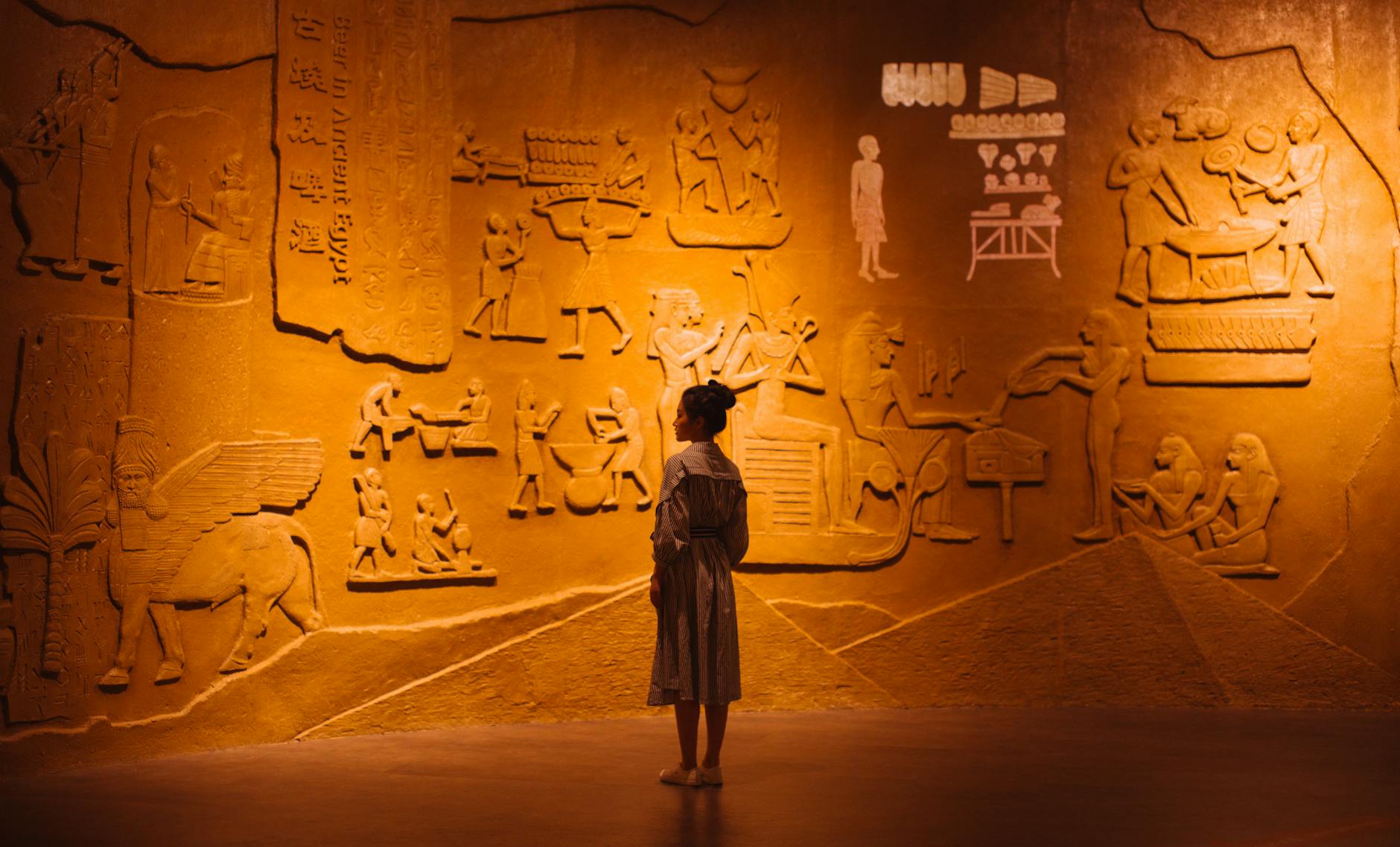
2. Mesopotamia (Sumerians, Babylonians, Assyrians) (c. 3500 BCE – 539 BCE)
- Achievements:
- Writing: Cuneiform, one of the earliest writing systems, used for record-keeping and literature (Kramer, 1981).
- Law: The Code of Hammurabi, one of the first written legal codes (Driver & Miles, 1952).
- Astronomy: Advanced observations of celestial bodies, influencing later Greek and Islamic astronomy (Rochberg, 2004).
- Urbanization: Cities like Ur and Babylon featured complex infrastructure and governance (Postgate, 1992).
- Legacy: Often called the “Cradle of Civilization,” Mesopotamia’s innovations in writing were groundbreaking. Their advancements in law were influential. Urban planning set the stage for later societies.

3. Indus Valley Civilization (c. 2600 BCE – 1900 BCE)
- Achievements:
- Urban Planning: Grid layouts, drainage systems, and standardized brick sizes in cities like Mohenjo-Daro (Kenoyer, 1998).
- Trade: Extensive trade networks with Mesopotamia and Central Asia (Possehl, 2002).
- Craftsmanship: Advanced pottery, jewelry, and metallurgy (Mackay, 1935).
- Legacy: Known for its emphasis on hygiene and urban organization, the Indus Valley Civilization influenced later South Asian cultures.

4. Ancient China (Xia, Shang, Zhou Dynasties) (c. 2070 BCE – 256 BCE)
- Achievements:
- Early writing system (oracle bone script).
- Bronze casting and metallurgy.
- Agricultural innovations (e.g., rice cultivation).
- Philosophical foundations (Confucianism, Daoism).
- Early astronomical observations and calendar systems.
- Legacy: Laid the groundwork for Chinese civilization, which continues to influence the world today.

5. Ancient Greece (c. 800 BCE – 146 BCE)
- Achievements:
- Democracy: The Athenian democratic system (Ober, 2008).
- Philosophy: Contributions from Socrates, Plato, and Aristotle (Barnes, 1982).
- Science and Mathematics: Advances by Euclid, Pythagoras, and Archimedes (Heath, 1921).
- Legacy: Greece’s intellectual and cultural achievements profoundly influenced Western civilization.

6. Ancient Rome (c. 753 BCE – 476 CE)
- Achievements:
- Engineering marvels (aqueducts, roads, Colosseum, Pantheon).
- Legal system (basis for many modern legal codes).
- Military organization and conquest.
- Latin language, which influenced many modern languages.
- Republican governance (later imperial system).
- Legacy: Shaped Western civilization through law, governance, and infrastructure.

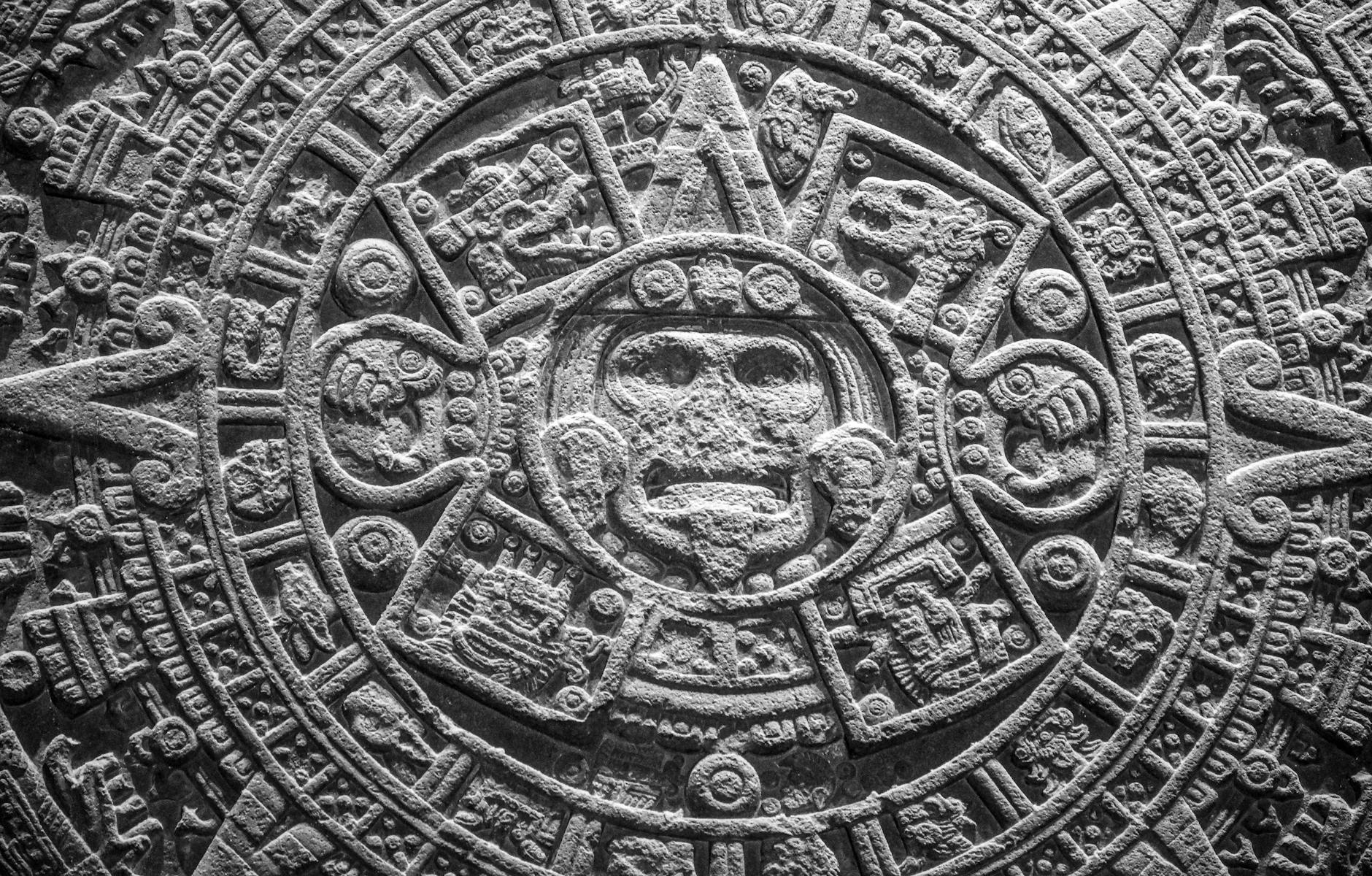
7. Mesoamerican Civilizations (Olmec, Maya, Aztec) (c. 1200 BCE – 1521 CE)
- Achievements:
- Advanced calendars (Maya Long Count calendar).
- Pyramids and monumental architecture (e.g., Chichen Itza, Teotihuacan).
- Writing systems (Maya hieroglyphs).
- Mathematics (concept of zero).
- Agricultural innovations (chinampas, or floating gardens).
- Legacy: Influenced later cultures in the Americas and contributed to astronomy and mathematics.
Conclusion:
Each of these civilizations was advanced in its own right, excelling in different areas. If we consider overall influence and longevity, Ancient Egypt and Mesopotamia are often regarded as the most advanced. Their early development of writing, monumental architecture, and foundational contributions to human civilization are key factors. However, Ancient Greece and Rome are also strong contenders for their lasting impact on Western thought, governance, and culture.
Interconnected Histories and Influences
Ancient civilizations did not exist in isolation; they influenced and learned from one another through trade, conquest, and cultural exchange:
- Egypt and Mesopotamia: Trade routes connected these civilizations, facilitating the exchange of goods, ideas, and technologies (Kuhrt, 1995).
- Greece and Egypt: Greek scholars like Herodotus and Pythagoras studied in Egypt. They brought back knowledge of mathematics and astronomy (Lloyd, 1975).
- Rome and Greece: Rome adopted and adapted Greek philosophy, art, and governance, spreading these ideas across its empire (Beard, 2015).
- Indus Valley and Mesopotamia: Archaeological evidence shows trade and cultural exchange between these regions (Possehl, 2002).
Recent Scholarly Perspectives
Modern scholars debate the extent of these civilizations’ advancements and their interconnectedness:
- Some argue that Mesopotamia and Egypt were the most influential. Their influence is attributed to their early development of writing and urbanization (Liverani, 2014).
- Others emphasize the Indus Valley’s unique urban planning and sanitation systems as unparalleled in the ancient world (Wright, 2010).
- The role of environmental factors, such as the Nile and Tigris-Euphrates rivers, in fostering these civilizations is significant. This topic is also a discussion point (Butzer, 1976).
Visual Summary: Achievements of Ancient Civilizations
| Civilization | Key Achievements | Legacy |
|---|---|---|
| Ancient Egypt | Pyramids, hieroglyphics, medicine, solar calendar | Influenced Mediterranean and Near Eastern cultures |
| Mesopotamia | Cuneiform, Code of Hammurabi, astronomy, urbanization | “Cradle of Civilization”; foundational to law and writing |
| Indus Valley | Urban planning, drainage systems, trade networks | Influenced South Asian cultures |
| Ancient China | Oracle bone script, bronze work, Confucianism | Shaped East Asian philosophy and governance |
| Ancient Greece | Democracy, philosophy, science, Olympics | Foundation of Western thought and culture |
| Ancient Rome | Engineering, legal system, governance | Shaped Western legal and political systems |
| Mesoamerica | Maya calendar, pyramids, hieroglyphics | Advanced astronomy and urban planning |
Conclusion
Each ancient civilization was advanced in its own right. Mesopotamia and Egypt are often highlighted for their foundational contributions to writing, law, and urbanization. However, the interconnectedness of these civilizations demonstrates how knowledge and innovation spread across regions, shaping the course of human history. By studying their achievements and interactions, we gain a deeper understanding of the roots of modern society.
References
- Aveni, A. (2001). Skywatchers: A Revised and Updated Version of Skywatchers of Ancient Mexico. University of Texas Press.
- Beard, M. (2015). SPQR: A History of Ancient Rome. Liveright Publishing.
- Butzer, K. W. (1976). Early Hydraulic Civilization in Egypt: A Study in Cultural Ecology. University of Chicago Press.
- Coe, M. D. (2011). The Maya. Thames & Hudson.
- Keightley, D. N. (1978). Sources of Shang History: The Oracle-Bone Inscriptions of Bronze Age China. University of California Press.
- Kramer, S. N. (1981). History Begins at Sumer: Thirty-Nine Firsts in Recorded History. University of Pennsylvania Press.
- Lehner, M. (1997). The Complete Pyramids. Thames & Hudson.
- Possehl, G. L. (2002). The Indus Civilization: A Contemporary Perspective. AltaMira Press.
- Shaw, I. (2003). The Oxford History of Ancient Egypt. Oxford University Press.
 News Todays 1
Leave a comment